
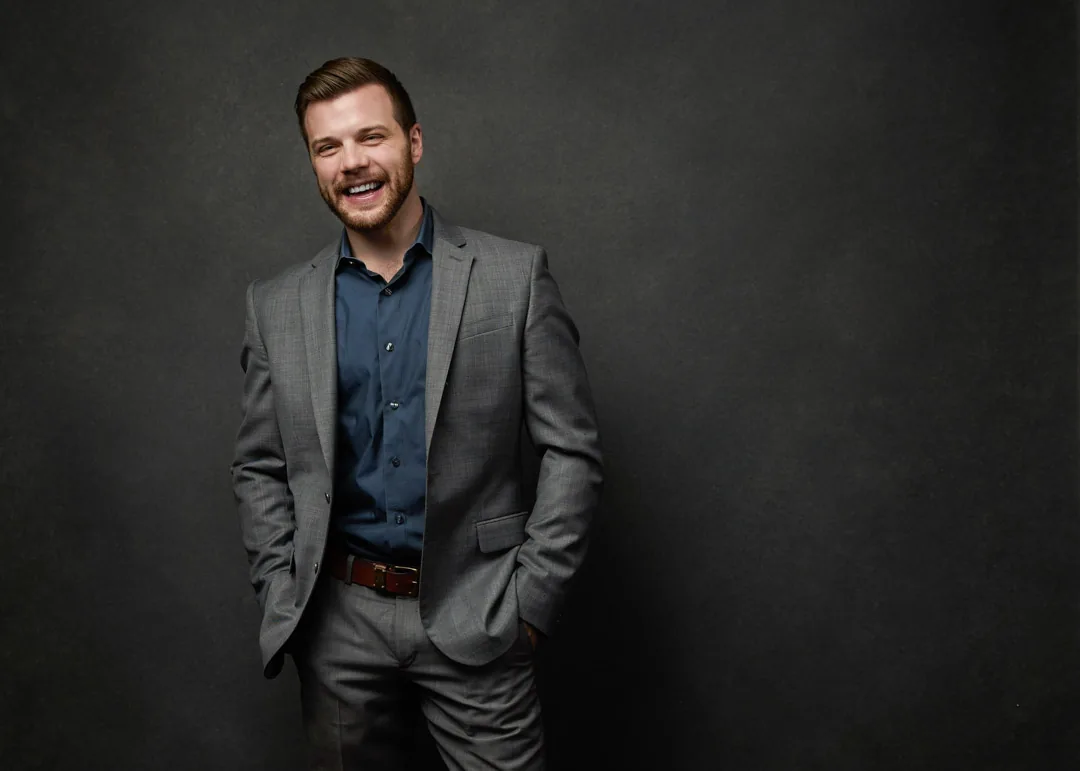
Wondering what actually makes a headshot look professional? It comes down to six things you can see in every good one.
A professional headshot is a sharply focused, well-lit portrait that keeps all the attention on your face, shows a genuine and appropriate expression, and is finished with clean, natural retouching. What qualifies it as professional is control: controlled lighting, a controlled background, deliberate framing, and a directed expression, so the image reads as competent and trustworthy in the half-second someone spends looking at it. Six specific things create that read, and here is what each one does and why it matters.
I'm Joshua Albanese, and I've photographed more than 15,000 professionals over 18 years, first in Chicago and now here in Southwest Florida. People ask me all the time what actually separates a professional headshot from a decent photo a friend took. It is never one magic trick. It is six things working together, and once you can see them, you cannot unsee them.
1. Controlled, intentional lighting
The first thing that makes a headshot look professional is controlled, intentional lighting, because light is what shapes a face before anything else does. Amateur photos usually fail here first. Overhead office light carves dark circles under the eyes, and a bright window on one side blows out half the face. Neither reads as competent.
In the studio I use a main light to shape the face and a softer fill to open up the shadows, so the light falls the way I want instead of the way a room happens to be lit. That control is the whole point. Soft, directional light gives a face gentle dimension: a little shadow to suggest structure, enough brightness to look open and healthy. Flat, even light makes a face look like a passport photo, and harsh light makes it look tired. The difference between those and a real portrait is not the camera. It is the lighting, and lighting is something you can only fully control indoors, which is why a dedicated Fort Myers studio beats a conference room every time.
2. Tack-sharp focus on the eyes
A professional headshot is tack-sharp on the eyes, because the eyes are the first place a viewer looks and the place trust is either built or lost. If the eyes are soft and the tip of the nose is sharp, the whole image feels off even to someone who cannot say why.
Getting there is a technical choice. I set focus on the eye closest to the camera and choose a depth of field that keeps both eyes crisp while letting the background fall away gently. Phone portrait modes try to fake that separation with software, and it often shows: a blurry halo around the ears and hair where the algorithm guessed wrong. A real lens does it cleanly. When the eyes are genuinely sharp and lit with a small catchlight, the person looks present and engaged, which is exactly the read a headshot is meant to earn.
3. A clean, non-distracting background
A clean, non-distracting background is what keeps every bit of attention on you, so it belongs on any list of what makes a headshot professional. A background either supports the subject or competes with them, and in most amateur photos it competes. A plant appears to grow out of someone's head, a doorway cuts a hard line behind the neck, or a busy office pulls the eye in ten directions.
The fix is separation and simplicity. A neutral seamless backdrop, a soft gray, a warm off-white, or a controlled darker tone, gives the face somewhere quiet to sit. Pushing the subject a few feet off the background and lighting the two separately keeps the person from blending into it. The color is a choice too, not an accident: lighter backgrounds feel open and approachable, darker ones feel more formal and executive. Matching that choice to where the photo will live, a law firm bio versus a friendly LinkedIn profile, is part of what makes it look built on purpose rather than snapped in a hallway.
4. Correct framing and composition
Correct framing and composition is the quiet rule that most people never notice until it is broken. A professional headshot is usually a head-and-shoulders crop with a specific amount of space above the head and the eyes sitting roughly a third of the way down the frame. That placement is not arbitrary. It is how portraits have been composed for a very long time because it reads as balanced.
Get it wrong and the image feels amateur even when everything else is right. Too much headroom shrinks the face and wastes the frame. Too little makes it feel cramped, like the person is about to walk out of the top of the picture. Framing also has to survive the crop it will actually live in. LinkedIn drops your photo into a circle, so I compose knowing the corners will be cut, keeping your face centered and safe. Building for the real destination is the difference between a photo that fits and one that gets awkwardly chopped.
5. A genuine, directed expression
A genuine, directed expression is the human part, and it is often the single thing that separates a technically perfect photo from one that actually works. You can nail the light, the focus, the background, and the crop, and still end up with a stiff, guarded face that no one wants to hire. Expression is what carries approachability and authority at the same time, which is the balance a good headshot needs.
This is where my psychology-driven approach does its work. Most people who tell me they are not photogenic are not fighting their face. They are fighting the awkwardness of standing in front of a lens with no idea what to do. I direct the whole way: small adjustments to the jaw, the shoulders, and the eyes, plus real feedback so you are never guessing. A genuine expression usually comes from the eyes being engaged rather than the mouth being forced into a smile. Getting that on purpose, on demand, is a craft, and it is the reason a directed session produces something a self-timer never will.
6. Natural, professional retouching
Finally, a professional headshot is finished with natural, professional retouching, the step that quietly separates a raw file from a delivered portrait. Retouching is not about changing your face. It is about removing the temporary distractions so the real you comes through: a stray hair, a bit of glare on the glasses, a blemish that will be gone next week anyway, the color balanced so your skin looks like your skin.
The line that matters is honesty. Good retouching is invisible. Over-smoothed skin, erased lines, and a plastic sheen read as fake and, oddly, make a photo look less professional, not more. My goal is that you look like yourself on a good day, so the person who meets you recognizes the photo. At JA Headshots the session runs $500, and retouching is $150 per finished image, so you choose the specific shots worth polishing rather than paying to finish frames you will never use. That is the last piece of what makes a headshot professional: a careful, honest finish on the images that matter.
The questions I hear most about what makes a headshot look professional, answered plainly.
Ready for a headshot that looks the part?
Every one of these six things is a choice, and in a guided studio session I make them for you so you can stop worrying about the camera. If you are in Fort Myers or anywhere in Southwest Florida and you want a headshot that reads as professional the moment someone sees it, get in touch with JA Headshots to book a session. The session is $500 with direction included start to finish, and finished images are $150 each. Come as you are and let me handle the rest.
This article was written by Joshua Albanese, founder and lead photographer at JA Headshots in Fort Myers. He founded a top-10 US headshot studio in Chicago, photographed more than 15,000 professionals over 18 years, and relocated to Southwest Florida in 2024. His psychology-driven approach is built for people who are convinced they are not photogenic.
Frequently asked questions
What qualifies as a professional headshot?
A professional headshot is a sharply focused, well-lit portrait that keeps attention on your face, shows a genuine expression, and is finished with natural retouching. The thing that separates it from a good casual photo is control over the light, the background, the framing, and the expression. When all four are handled on purpose, the image reads as competent and trustworthy in the split second someone spends looking at it.
Can I get a professional headshot with my phone?
A modern phone can take a sharp, pleasant photo, but it struggles with the parts that make a headshot look professional: shaped studio lighting, true optical background separation, and directed expression. Portrait mode fakes the blurred background in software, which often leaves a telltale halo around hair and ears. For a casual profile it can be fine. For a photo that has to earn trust on a firm bio or a LinkedIn profile, controlled lighting and real direction are what set it apart.
How much does a professional headshot cost at JA Headshots?
The session fee at JA Headshots in Fort Myers is $500, and retouched images are $150 each. The session includes guided direction from start to finish, so you are not left figuring out poses on your own, and you choose which final images are worth retouching rather than paying to finish every frame. That structure keeps you in control of the final cost while making sure the images you actually use are properly finished.
What background color is best for a professional headshot?
It depends on where the photo will live. Lighter gray and warm off-white backgrounds feel open and approachable and suit most LinkedIn profiles and team pages. Darker, controlled backgrounds feel more formal and tend to suit executive and legal bios. What matters more than the exact color is that the background is clean and separated from you, with nothing growing out of your head or pulling the eye off your face.
Guided studio headshot sessions in Fort Myers, with direction included start to finish and professional retouching on the images you choose.
Learn more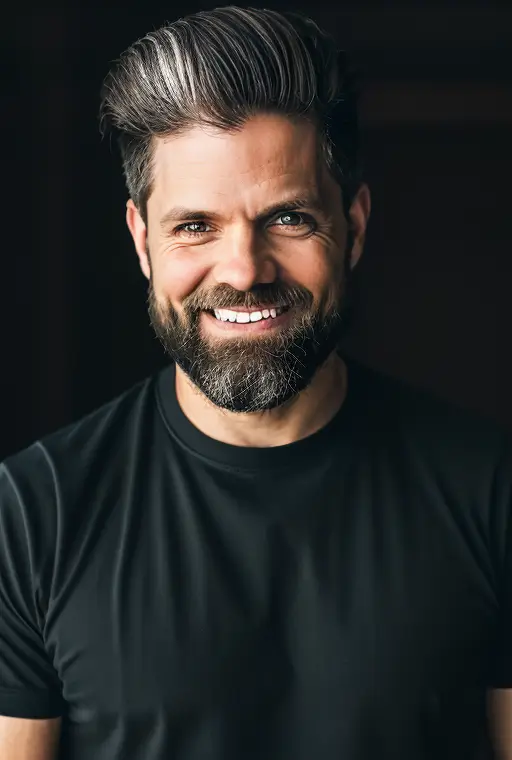
Written by
Joshua Albanese
Photographer, JA Headshots
Joshua Albanese founded one of the top-10 rated headshot studios in the United States in Chicago in 2007. Over 18 years he photographed more than 15,000 professionals and produced over 3 million images for clients ranging from Fortune 500 executives to first-year associates. In 2024 he relocated to Fort Myers and opened a dedicated portrait studio at 1325 Canterbury Dr. His psychology-driven approach is built for people who say they aren't photogenic.