
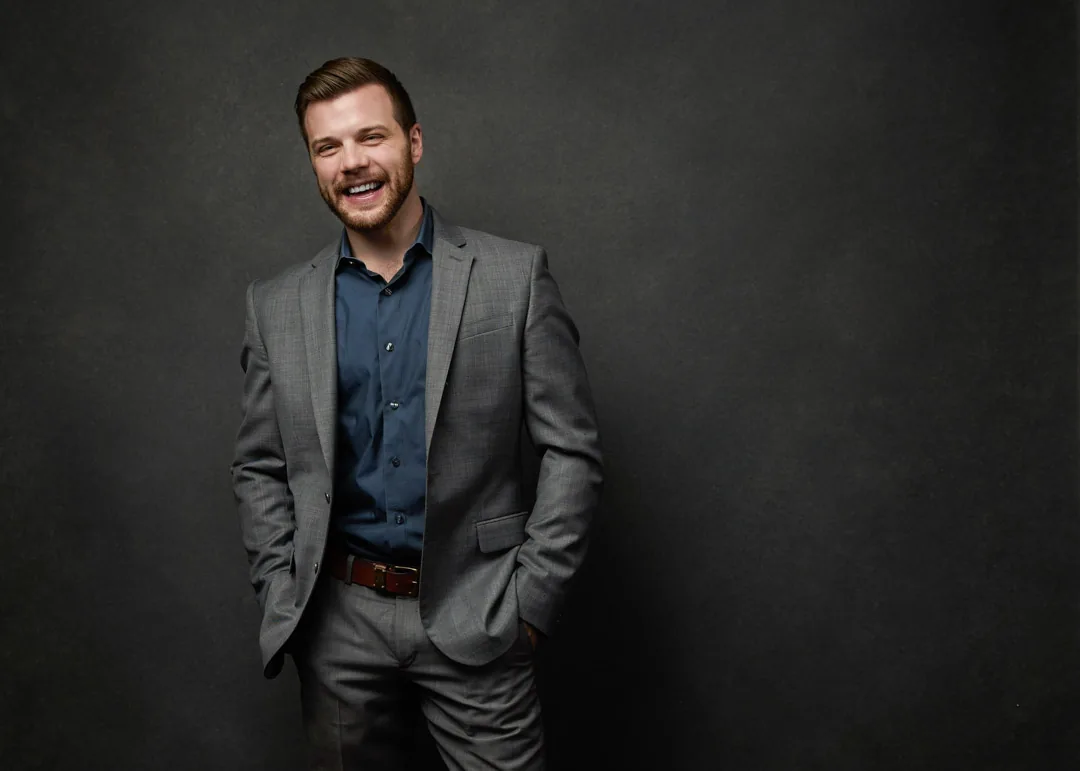
Wondering if the headshot still matters in a self-tape, AI-photo world? For actors, it matters more than ever. Here is why, and what changed.
Yes, actors still do headshots, and casting relies on them as much as ever. What changed is the format, not the need. The headshot moved from a printed 8x10 in a folder to a digital thumbnail on Actors Access and Casting Networks, and the bar for what counts as a professional image went up, not down. Self-tapes, AI portraits, and phone cameras all reshaped the market around the headshot without ever replacing it. Below are five reasons a real, current headshot still decides whether an actor gets seen, and exactly what shifted underneath each one.
I'm Joshua Albanese, founder and lead photographer at JA Headshots in Fort Myers. Over 18 years I've photographed more than 15,000 professionals, from Fortune 500 executives to working performers, first in Chicago and now here in Southwest Florida. Actors are a particular kind of client, because for them the headshot is not a nicety. It is the tool they submit with every single audition, sometimes hundreds of times a year. Here is why it still carries that weight, and what has changed about the job it does.
Reason 1: Casting still opens with your face
The headshot is the first frame a casting director sees, and that gatekeeping role has not moved an inch. When a breakdown goes out, casting can receive hundreds or thousands of submissions for a single role. They do not read every resume. They scan a grid of faces, and your headshot is the thing that earns the click or gets scrolled past in a half second. Everything else in your submission only gets looked at if the photo does its job first.
What changed is where that face lives. Twenty years ago it was a physical print an assistant flipped through. Now it is a small digital thumbnail sitting in a database next to everyone else reading for your type. That shift raised the stakes on the fundamentals, because a poorly lit or muddy image that might have survived on paper falls apart at thumbnail size. Sharp eyes, clean lighting, and a genuine expression are what read at that scale. The headshot did not lose its front-door role. It just moved the door onto a screen, where technical quality matters more than it ever did.
Reason 2: Self-tapes raised the bar instead of replacing the photo
A lot of actors assumed that once auditions went to self-tape, the still photo would fade in importance. The opposite happened. Because the entire submission is now visual, from headshot to self-tape to slate, consistency across those pieces became something casting notices. Your headshot sets the expectation, and your tape has to deliver the same person. When the photo is a real, directed image, that consistency is easy. When it is a cropped vacation photo or an AI portrait, the gap between the still and the moving footage becomes obvious and distracting.
Here is the mechanism underneath it. Self-tape casting trained everyone, actors and directors alike, to evaluate people as screen images rather than as people in a room. That makes the quality of every visual asset more comparable, side by side, than it used to be. A phone selfie no longer blends in. It stands out against a wall of professional headshots the way a typo stands out in clean copy. The move to digital casting did not lower the demand for a real photograph. It made a weak one impossible to hide.
Reason 3: Casting wants your real type, not a glamour shot
The style of the actor headshot changed, and this is the shift that trips people up the most. For a long time the goal was a polished, retouched, slightly idealized image. That look is gone. What casting wants now is your honest type, the real you on a good day, framed so they can instantly read what you would be right for. A dramatic actor and a warm commercial mom and a gritty character actor are three different photographs, and the job of the headshot is to place you clearly in one of those lanes without overselling.
Connect that to how casting actually works and it makes sense. They are matching a face to a specific character, so anything that hides who you really are works against you. Heavy retouching that erases your lines, lighting that flatters instead of describes, an expression borrowed from a magazine cover, all of it creates a person who will not walk into the room. That is why my approach is psychology-driven rather than glamour-driven. I direct actors into a relaxed, genuine expression that reads as a real person with a point of view, because that authenticity is exactly what the current market rewards. The photo still needs to be excellent. It just needs to be true first.
Reason 4: AI and phone cameras made real photography the differentiator
AI portrait generators and increasingly capable phone cameras flooded the market with images that look, at a glance, like headshots. You would think that would make professional actor headshots less necessary. In practice it did the reverse. When the market fills with generated and auto-enhanced faces, a genuine, well-lit, well-directed photograph becomes the thing that signals you are a serious professional. Real became the differentiator precisely because fake got so easy.
The specific reason AI does not hold up for actors is worth naming. Generated portraits drift from your actual face in small but readable ways, the shape of the jaw, the set of the eyes, the hairline, the way your skin actually behaves under light. Casting directors read faces for a living, and they clock that drift fast. Worse, when you show up looking meaningfully different from your image, it reads as a bait and switch, and that impression is hard to recover from in a two minute audition. A real session with a photographer directing you also captures range, micro-expressions, and the specific quality you bring, none of which a prompt can invent. In a sea of synthetic faces, a photograph of the actual human is the credible one.
Reason 5: You need current images and more than one look
The single-headshot-for-a-decade era is over. Casting expects an image that matches the person walking into the room today, which means actors reshoot far more often than they used to, and they carry more than one look. A working actor typically needs at least a commercial image, warm and approachable, and a theatrical or dramatic image with more edge, because those are submitted to genuinely different breakdowns. One frame cannot do both jobs honestly.
That is why my session structure is built around choice rather than a single deliverable. The session fee is $500 for the shoot itself, where we work without a clock to get real range across your looks, and retouching is $150 per finished image. You pick the strongest frames for the looks you actually submit with and finish only those, instead of paying for a pile of files you will never upload. Then you update as your look changes, new color, a weight change, aging, or a shift in the type you are reading for. Keeping your images current is not vanity. It is the difference between a headshot that helps you and one that quietly sets an expectation you cannot meet in person.
The questions I hear most from actors about whether headshots still matter and what changed, answered in plain language.
Ready for actor headshots that match how you really look?
The headshot is still the tool that gets you seen, and it works best when it is honest, current, and built for the roles you actually read for. If you are an actor in Fort Myers or anywhere in Southwest Florida and it is time for images that hold up under casting's eye, reach out through the contact page and tell me what you submit with. Sessions run without a clock, the session fee is $500, and retouching is $150 per finished image, so you finish only the looks you need. No AI, no guesswork, just a real photograph of you on your best day.
This article was written by Joshua Albanese, founder and lead photographer at JA Headshots in Fort Myers. He founded a top-10 US headshot studio in Chicago, photographed more than 15,000 professionals over 18 years, and relocated to Southwest Florida in 2024. His psychology-driven approach directs actors into genuine, current images built to match how they really look in the room.
Frequently asked questions
Do actors still do headshots in 2026?
Yes. The headshot is still the first thing casting sees when you submit through Actors Access, Casting Networks, or an agent, and that has not changed at all. What changed is the format. It moved from a printed 8x10 to a digital thumbnail, and self-tape casting made the whole submission visual. A phone selfie now stands out for the wrong reasons next to real headshots. Actors do not do fewer headshots than they used to. If anything they update them more often, because casting expects an image that matches how you look walking into the room today.
Can I use an AI headshot for acting submissions?
I would not, and most casting people I have talked to feel the same way. AI portraits drift from your real face in small ways, the jaw, the eyes, the hairline, and casting is trained to read faces for a living. When you show up looking different from your image, that reads as a bait and switch, which is the last impression you want. AI cannot hold up under that kind of scrutiny. A real, well-directed headshot signals that you take the work seriously, and in a market flooded with generated images, real photography has become the differentiator rather than the default.
How often should actors update their headshots?
As a rule, whenever your look changes enough that a stranger would notice, and at least every couple of years even if it does not. New color, weight change, facial hair, aging, a shift in the type you are reading for, all of it is reason to reshoot. Casting expects the image to match the person who walks in. An outdated headshot is not just old, it actively works against you by setting an expectation you cannot meet in the room. Current beats flattering every time.
How much does an actor headshot session cost at JA Headshots?
My session fee is $500, and retouching is $150 per finished image. That structure keeps it honest. You are not paying for a stack of files you will never use. You choose the strongest frames for the looks you actually need, commercial and theatrical, and pay to finish only those. Sessions in the Fort Myers studio run without a clock, so we have room to get real range instead of one rushed expression. Call or reach out through the contact page and I will walk you through what your submissions need.
Actor headshots in Fort Myers, directed start to finish and built to look like you on your best day. $500 session, retouching priced per image.
Learn more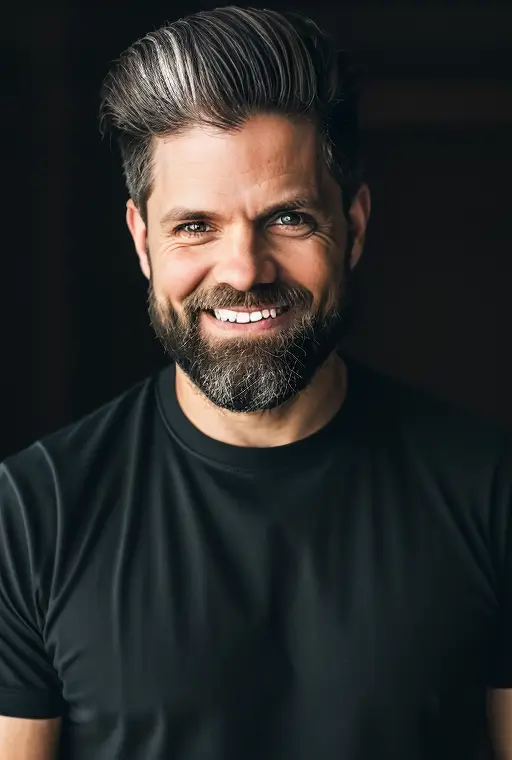
Written by
Joshua Albanese
Photographer, JA Headshots
Joshua Albanese founded one of the top-10 rated headshot studios in the United States in Chicago in 2007. Over 18 years he photographed more than 15,000 professionals and produced over 3 million images for clients ranging from Fortune 500 executives to first-year associates. In 2024 he relocated to Fort Myers and opened a dedicated portrait studio at 1325 Canterbury Dr. His psychology-driven approach is built for people who say they aren't photogenic.