
HR asked for a shoulder-up photo and you wonder if your headshot counts. Headshot vs. shoulder-up for professionals in Fort Myers.
A shoulder-up photo is a casual term for a headshot. The boundary between them is soft, but the words come from different places. JA Headshots is a Fort Myers studio that shoots both, and this page tells you why the terminology matters when you brief a photographer.
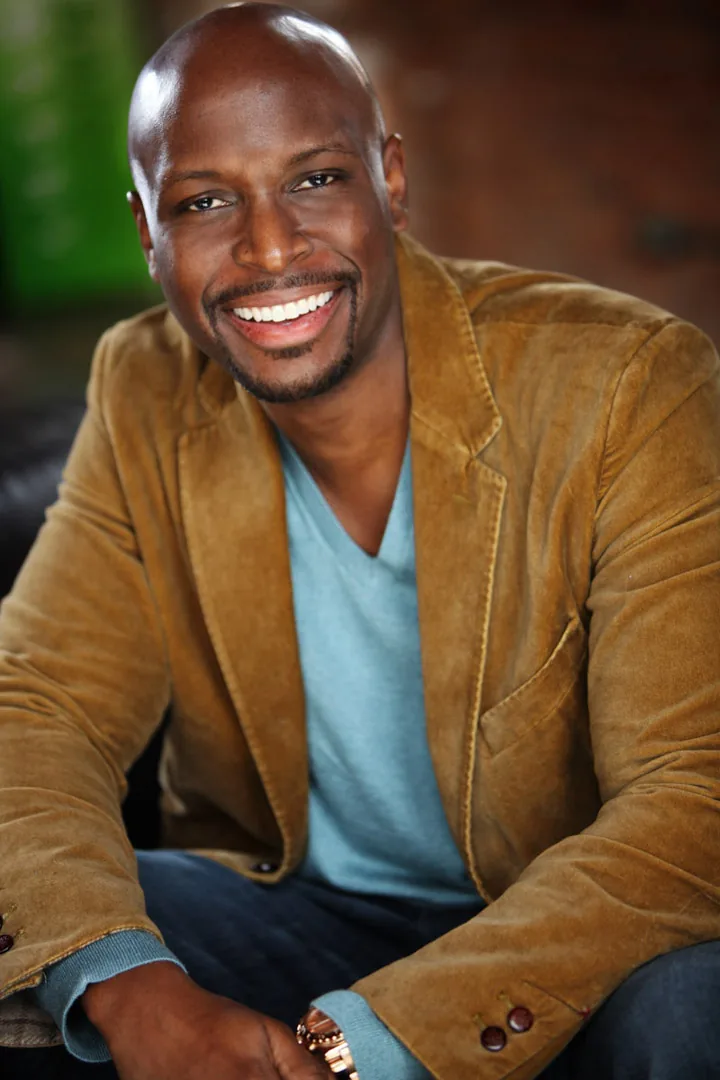
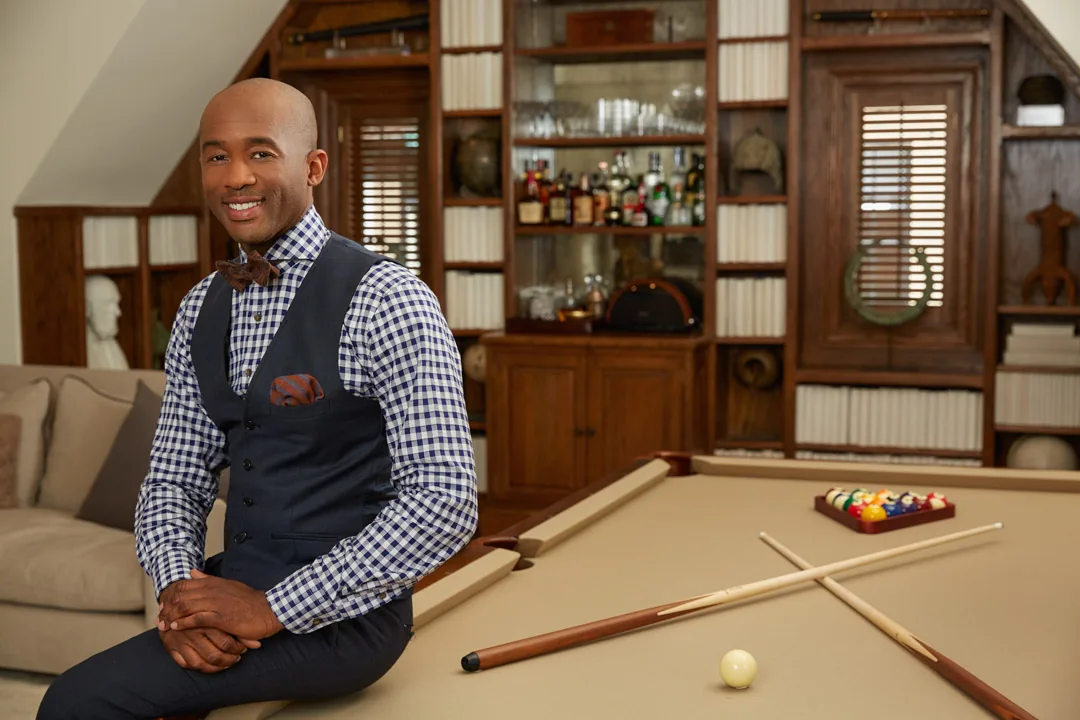
What's the difference between a headshot and a shoulder-up photo?
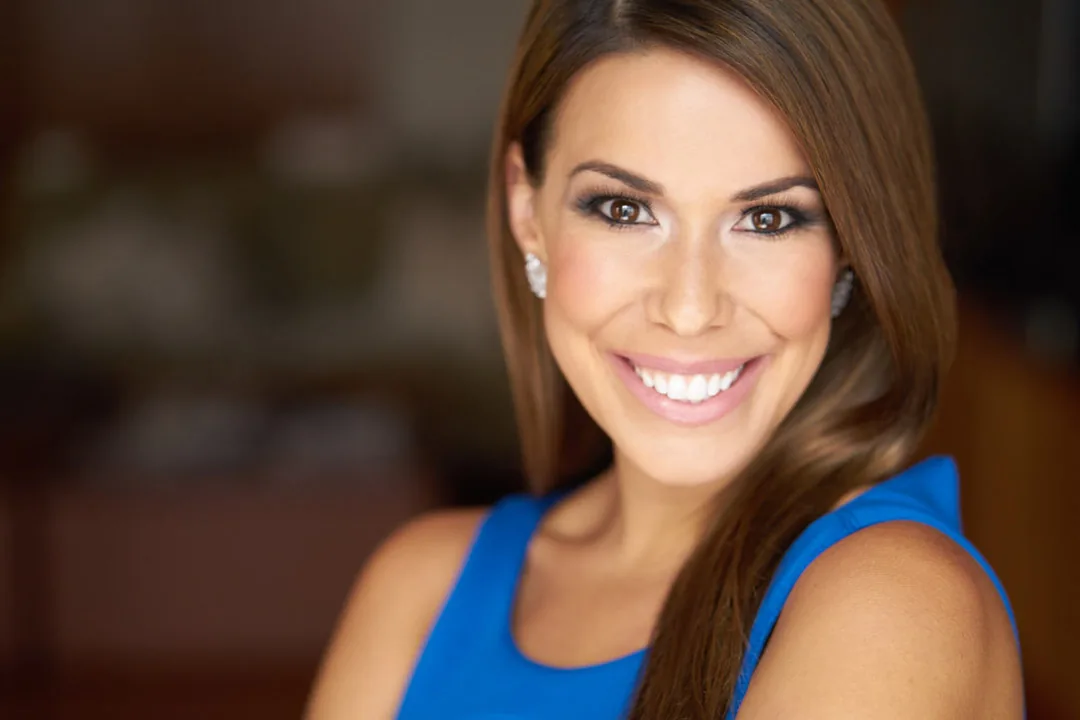
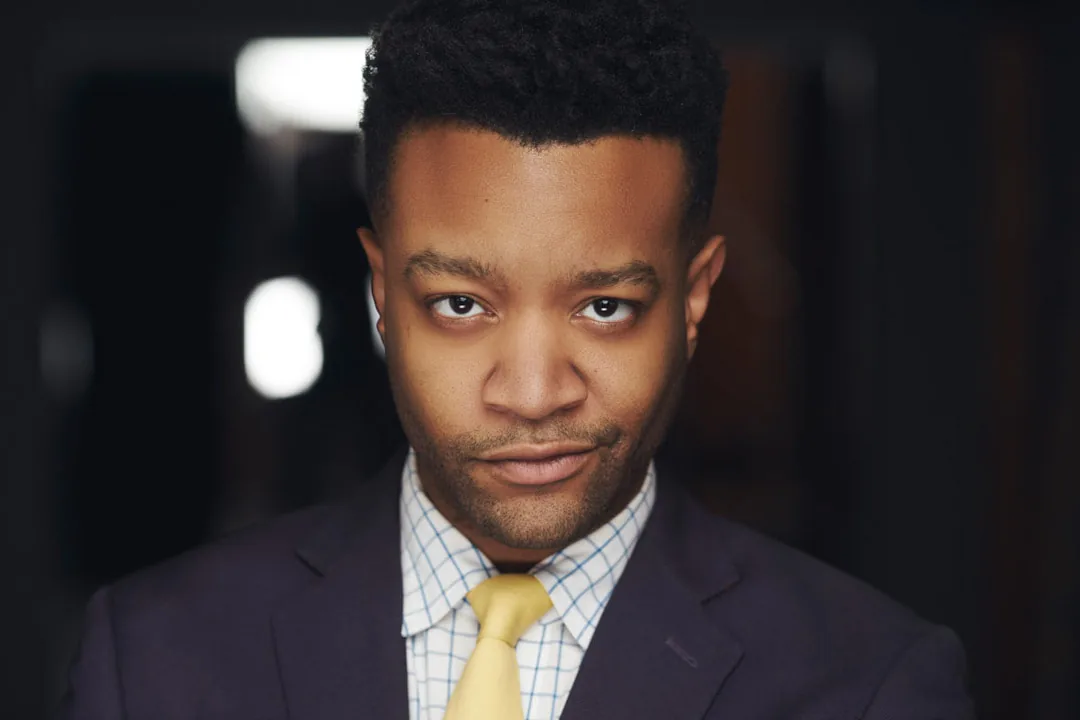
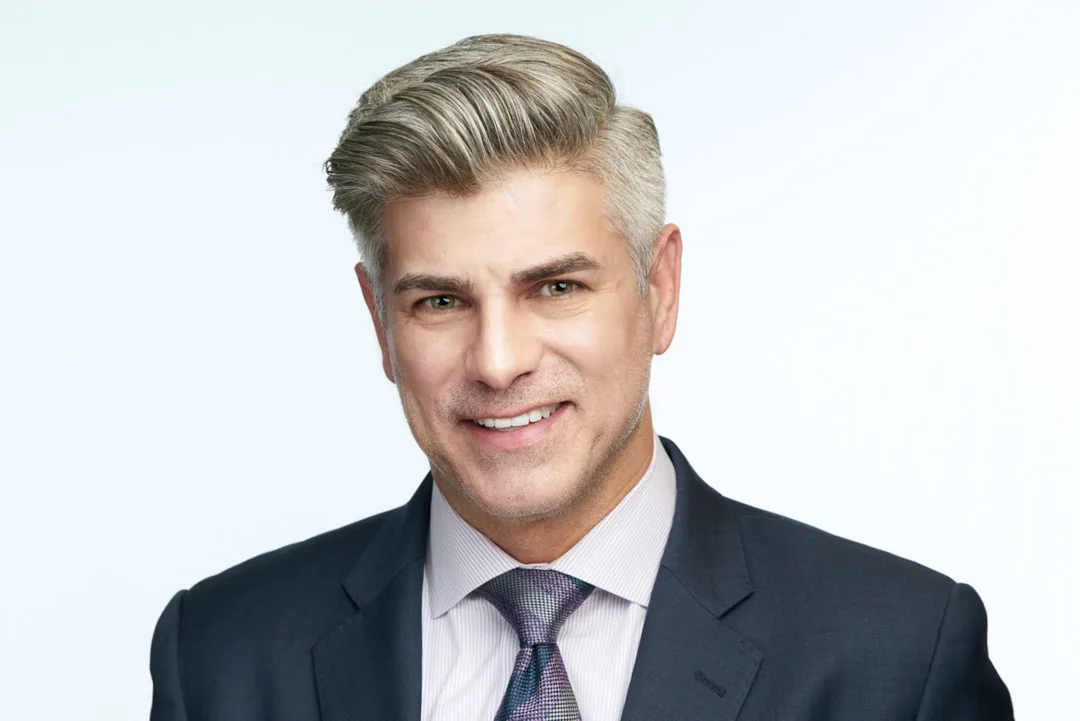
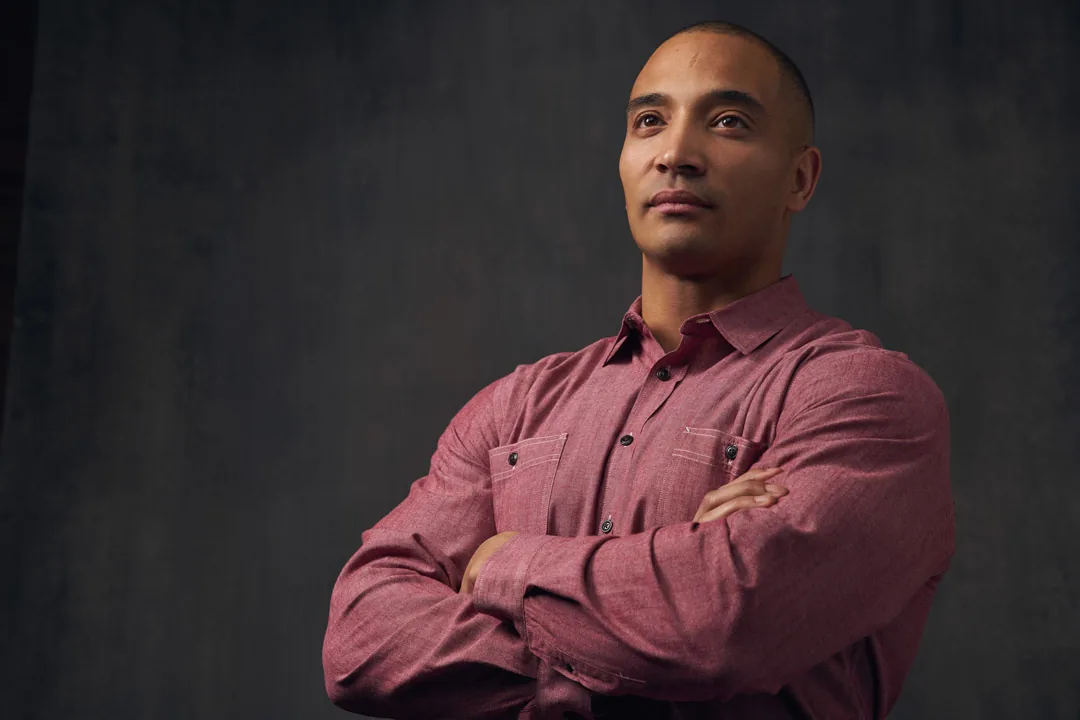
Almost nothing, in practice. Both formats frame the head, the shoulders, and the upper chest. Both work for LinkedIn, an HR file, a directory listing, or a corporate staff page. If a recruiter asks for a "shoulder-up photo" and you have a professional headshot ready, you can send it.
The difference is the term, not the crop. "Headshot" is the industry term used by photographers, agencies, and casting directors. "Shoulder-up" is the colloquial description used by HR forms, school yearbook orders, and people who don't book photos for a living.
There is one small distinction. A true headshot crop sometimes goes a touch tighter than a shoulder-up crop, with the bottom of the frame cutting just below the collarbone. A shoulder-up crop usually includes the full shoulder line and a bit of upper chest. Both are correct headshots in any professional context.
Per the Wikipedia entry on the headshot as a portrait genre, the format covers "the head and shoulders" with no fixed boundary at the bottom of the frame. The vagueness is built in.
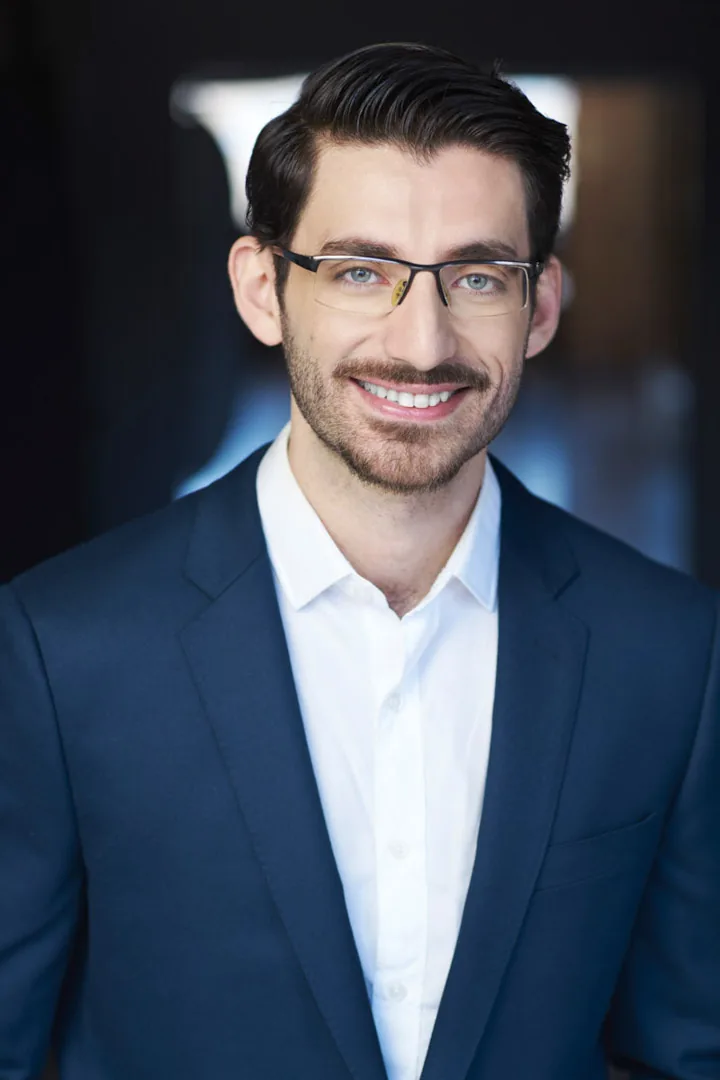
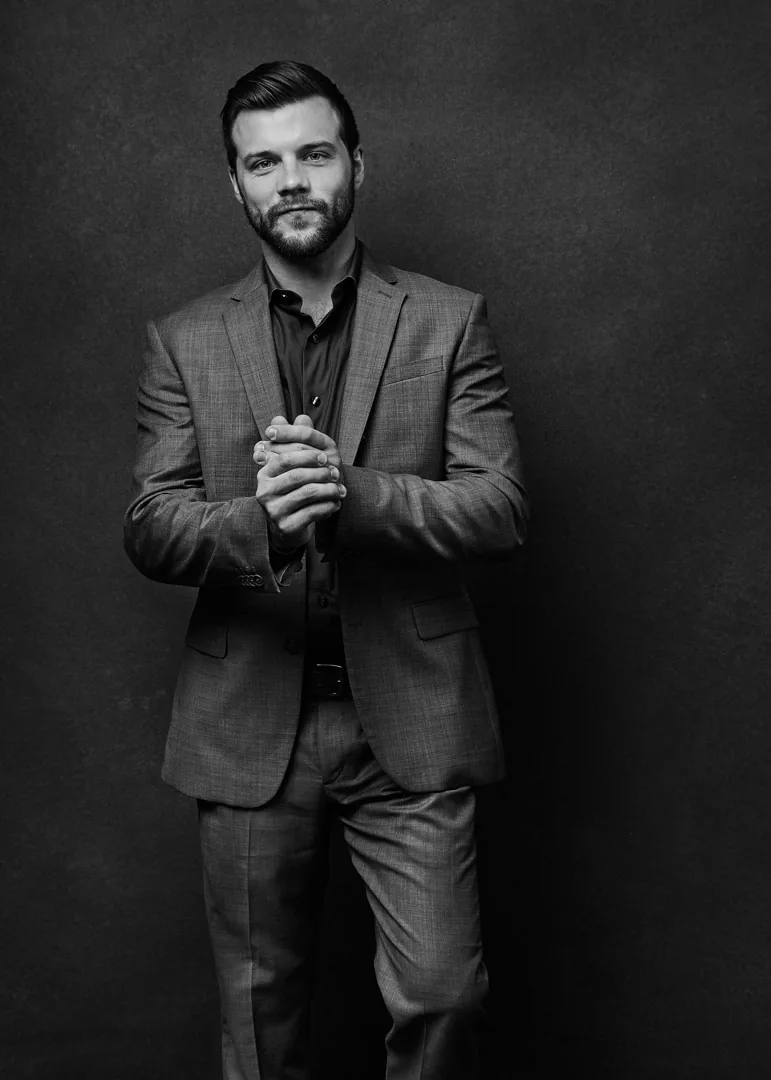


Where did the term shoulder-up come from?
It came from the people who fill out the form, not the people who take the picture.
HR departments, school administrators, club rosters, and onboarding portals usually write "shoulder-up photo" or "head and shoulders photo" on the request, because that phrasing is plain and unambiguous to a non-photographer. "Headshot" sounds technical or theatrical. "Shoulder-up" reads as a description of the crop, not a job category.
Casting directors say "headshot." Theater bios say "headshot." A photographer's website says "headshot." But your HR portal at a 200-person company probably says "shoulder-up photo" and a school yearbook order says "head and shoulders photo." All three terms point at the same image.
If you are filling out a form and it says "shoulder-up photo," send a clean studio headshot. You're done.
When does the crop actually matter?
When the platform crops automatically and the frame ratio is fixed.
LinkedIn crops your photo into a circle. The avatar circle is centered on your face, so a tight headshot and a slightly wider shoulder-up both work. The difference at avatar size is negligible.
Bar association directories, medical board profiles, and Avvo. Some of these platforms enforce a 1:1 square crop. A tight headshot with little headroom can clip the top of the head when the platform crops the square. A slightly wider shoulder-up gives the platform's auto-crop room to work without cutting hair.
Corporate staff pages built by an internal team. The web designer wants matching crops across 30 employees. They usually pick a shoulder-up frame because it tolerates variation in shoulder line and posture across staff better than a tight headshot.
Conference badges and event programs. The frame is small and consistent. A tight headshot or a shoulder-up both work, as long as the framing matches across the speaker lineup.
If you don't know what the platform will do with the photo, a slightly wider shoulder-up crop is the safer choice. It always crops down. A tight headshot doesn't always crop up.
Should you ask for a "headshot" or a "shoulder-up" when you book?
Ask for a headshot if you are talking to a photographer. The photographer will ask follow-up questions about use case (LinkedIn, About page, executive bio, casting), and the right crop falls out of the answer.
Ask for a "shoulder-up" if you are talking to a coworker, an HR person, or someone who doesn't book photos. Use the language they're using. You'll cut the back-and-forth in half.
When you book at JA Headshots, just describe where the photo will live. "I need a LinkedIn photo and a headshot for our staff page" is clearer than picking a crop term. The photographer chooses the crop based on the destination, not the request word.
Can you get both crops in the same session?
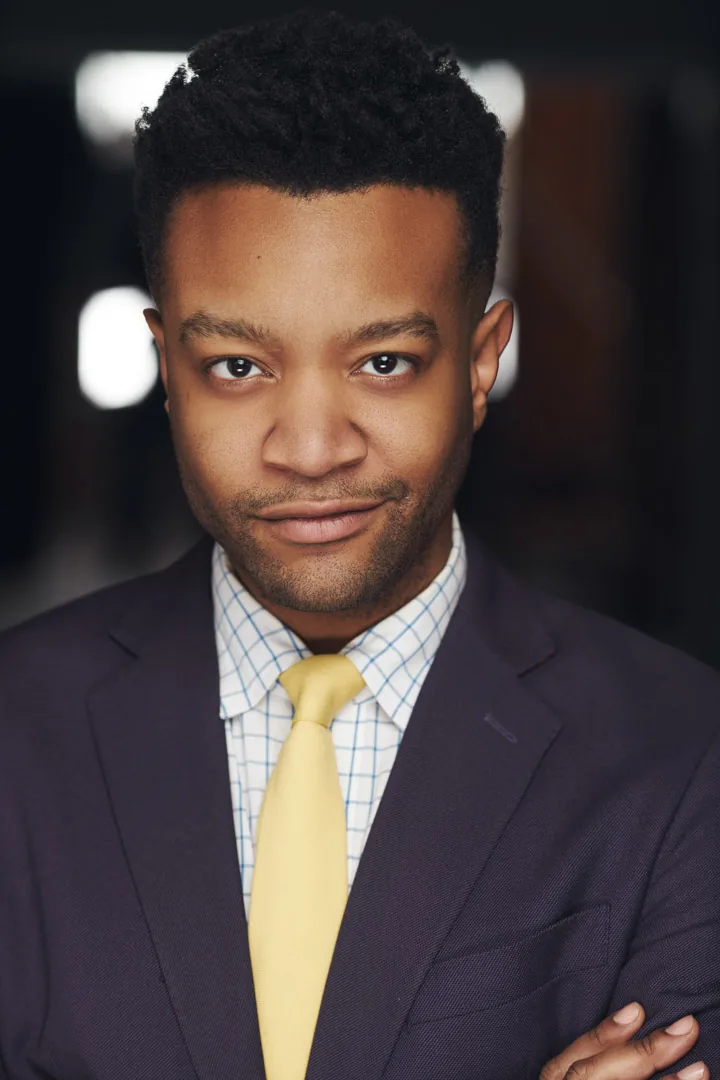
Yes, and most clients do. The same session that produces a tight LinkedIn headshot also produces a slightly wider shoulder-up version, because the photographer can crop the same RAW file two different ways at retouching.
You don't pay twice. You pay $500 for the session and $150 per final retouched image. If you want one image cropped tight for LinkedIn and the same image cropped a touch wider for the bar association directory, that is one final image with two delivered crops.
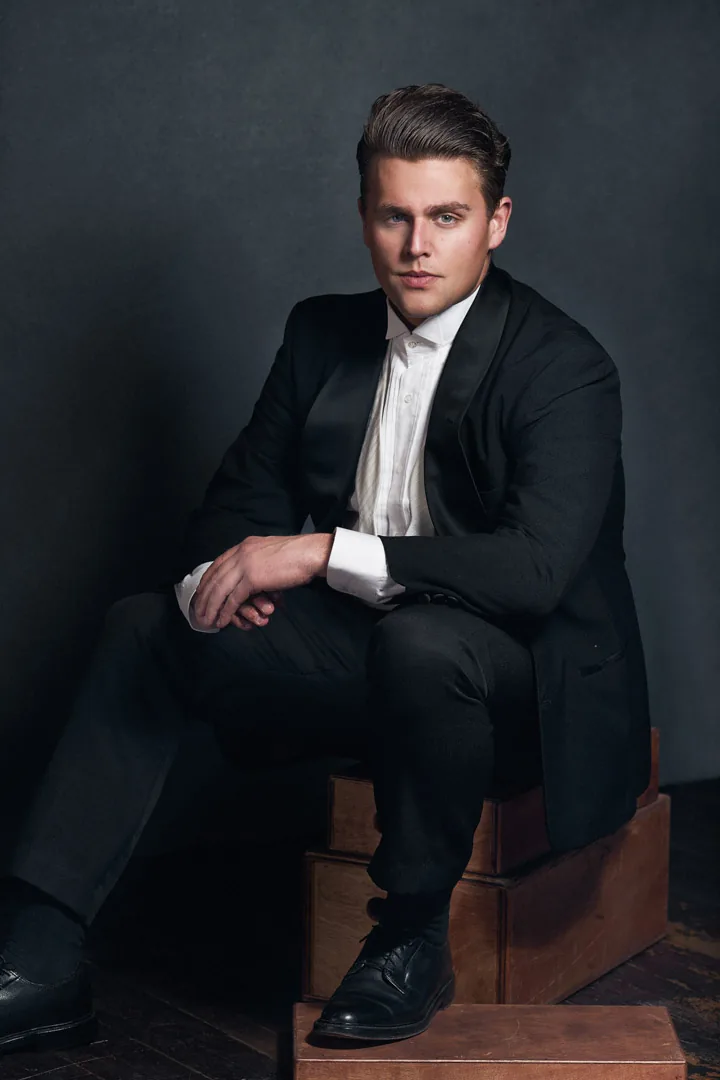
The only time the question changes is when you want the wider crop to include more of your wardrobe context. That is a bust-up, not a shoulder-up, and it requires the photographer to compose the wider frame on purpose. For most professional use cases, the tight and shoulder-up crops come out of the same shot.
Why does the wording confuse new clients?
Because the photo industry uses "headshot" as a job category, and the rest of the world uses "shoulder-up" or "head and shoulders" as a description.
A new client who has never booked a photo session asks for "a head and shoulders photo for my LinkedIn." They get directed to a "headshot session" and start to wonder if those are different products. They aren't.
The same overlap shows up across formats. "Profile photo," "professional photo," "LinkedIn photo," and "shoulder-up photo" all describe the same thing in different words. A photographer hears all four and books the same session.
If you've been searching for "shoulder-up photo Fort Myers" and getting headshot studio results, that is the algorithm doing its job. The studios know the synonym.
How does pricing work?
Pricing is the same whether you call it a headshot session or a shoulder-up session. The session fee is $500 with unlimited time. Each final retouched image is $150.
Most LinkedIn-only clients walk out with one to three final images. Total runs $650 to $950.
Most professionals who need photos for multiple platforms (LinkedIn, staff page, bar association directory) walk out with two to four finals at different crops. Total runs $800 to $1,100.
Standard turnaround is 48 to 72 hours after the session. 24-hour rush is available when an HR deadline lands on Friday.
Why JA Headshots in Fort Myers?
Joshua Albanese founded a top-10 US headshot studio in Chicago in 2007. Eighteen years, 15,000+ sessions, and over three million images later, he relocated to Fort Myers in 2024 to bring the same studio standard to Southwest Florida.
He shoots every session personally. No handoff, no assistant on the camera. Lighting, direction, and retouching choices all come from the same person.
Sessions run on unlimited time. We shoot until you have the images you need. Every final image gets hand retouching by a human editor. Skin, color, eye work, and background cleanup all get real attention.
Pricing is transparent. $500 session, $150 per final image. Same pricing whether you book one image or five, and the same pricing whether you call it a headshot or a shoulder-up.
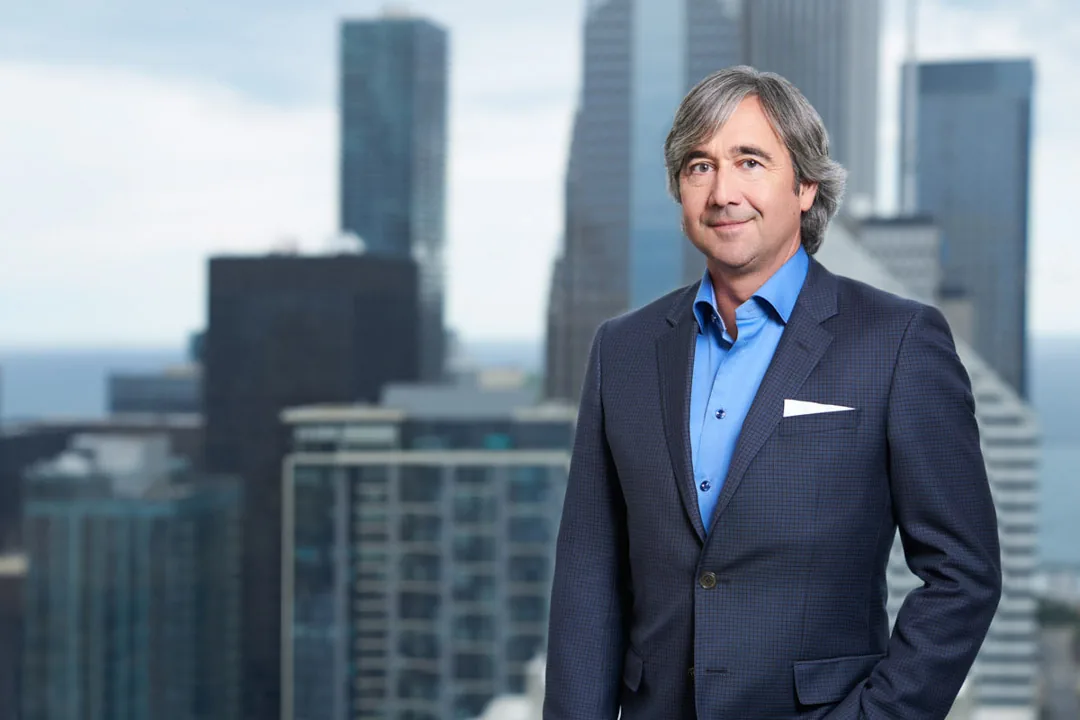
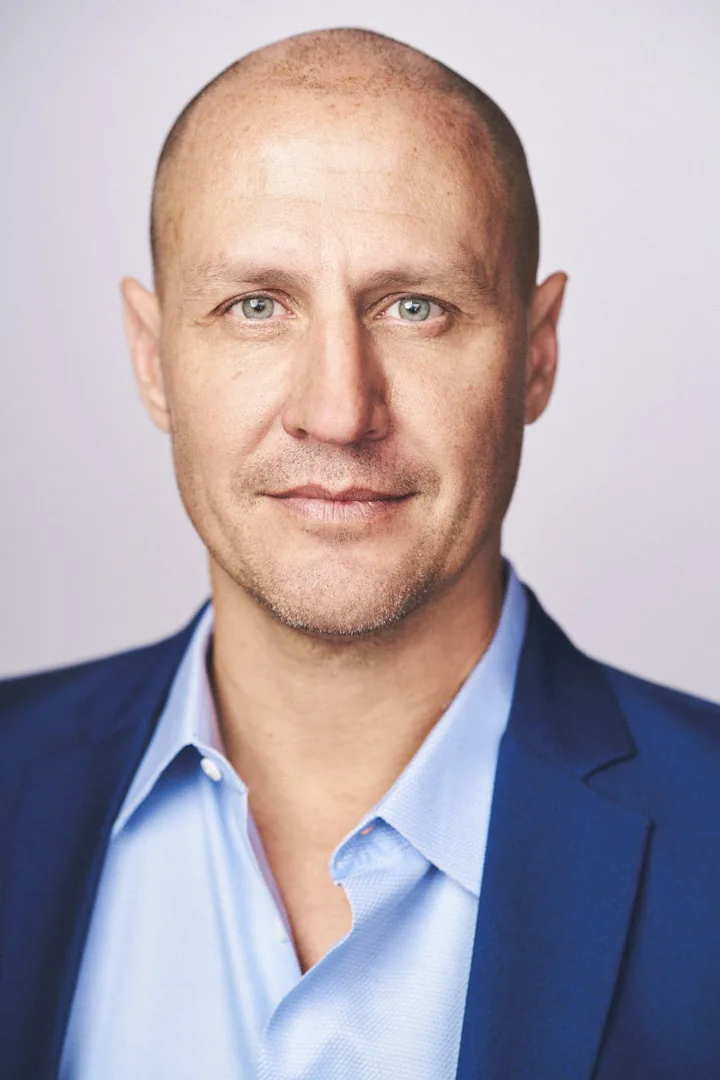
Ready to book your session?
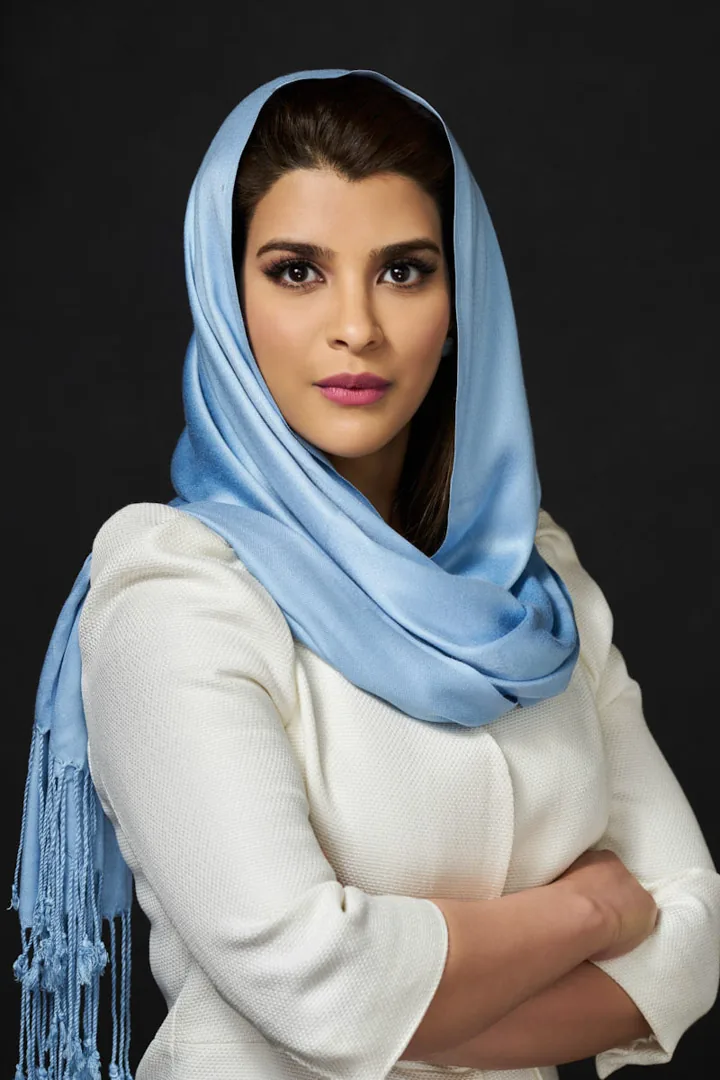
Book a headshot session at JA Headshots in Fort Myers, and we'll deliver the crop your destination actually needs. LinkedIn, HR, staff page, directory, conference badge, all from one session.
JA Headshots, Fort Myers, FL. Call (239) 401-6999 or email hello@jaheadshots.com. Open 7 days a week, 8am to 6pm. Sessions currently booking 1 to 2 weeks out.
About the author
Joshua Albanese has shot over 15,000 individual sessions in 18 years for clients who came in asking for a headshot, a shoulder-up photo, a LinkedIn photo, and a professional profile picture, all describing the same thing. He shoots every JA Headshots session personally at the Fort Myers studio. He writes from inside the studio, not from a stock-image catalog.
Three concepts behind the headshot vs. shoulder-up distinction
Three concepts that frame why headshot framing differs from shoulder-up framing.
A tightly framed portrait focused on the face, shoulders, and expression. Used for LinkedIn profiles, company about pages, press kits, and any context where a single image stands in for the person.
A standard portrait lighting setup that uses a key light, a fill light, and a backlight to shape the subject and separate them from the background. It is the foundation of most studio headshots because it produces a flattering, dimensional look without harsh shadows.