
A casting director called for a bust-up and you sent a LinkedIn headshot. Headshot vs. bust-up for actors, executives, and personal-brand clients in Fort Myers.
A headshot is a tight crop on the face and upper shoulders. A bust-up is the British and theatrical term for a torso-up frame that includes more wardrobe and posture. JA Headshots is a Fort Myers studio shooting both, and this page tells you which one your industry actually expects.
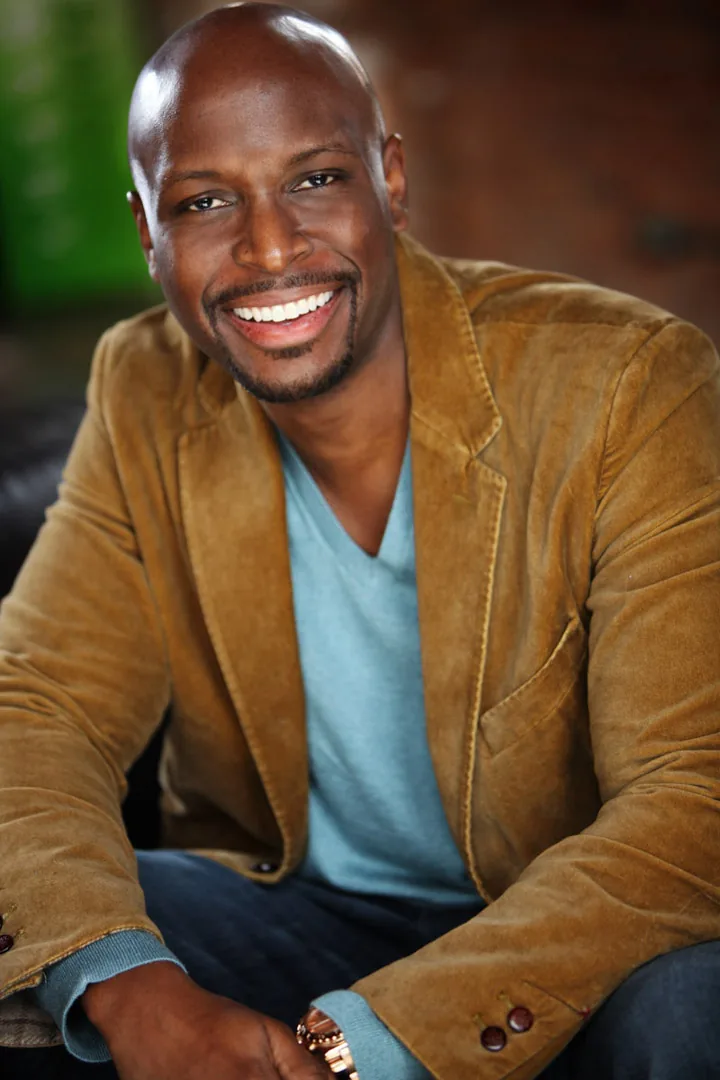
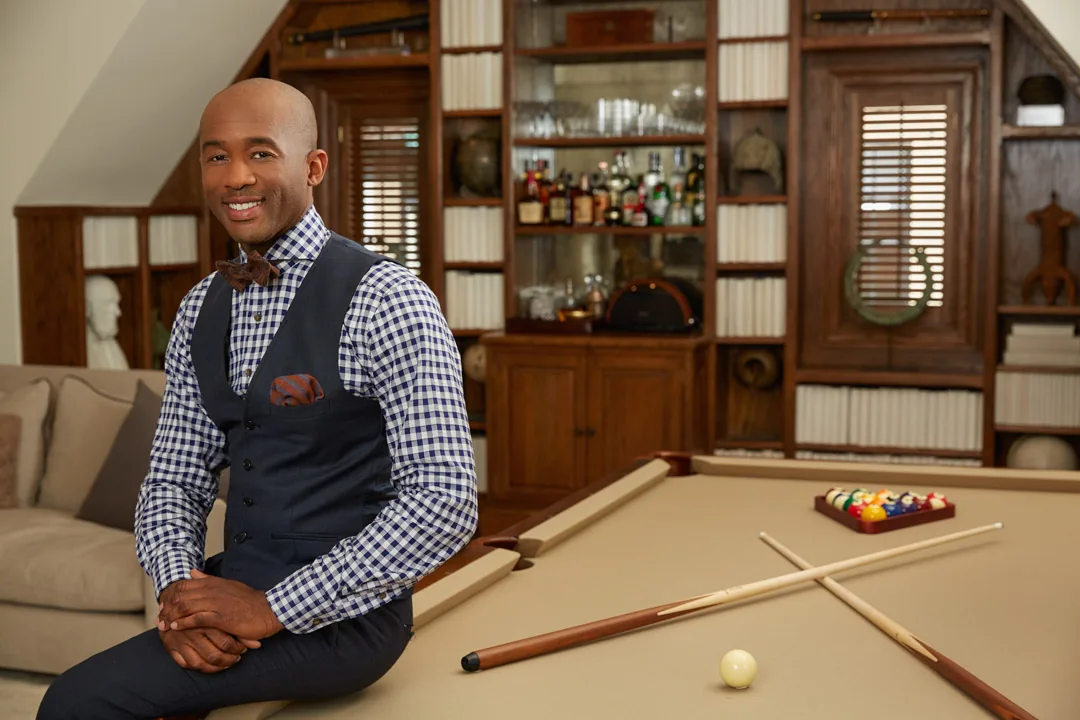
What's the difference between a headshot and a bust-up?
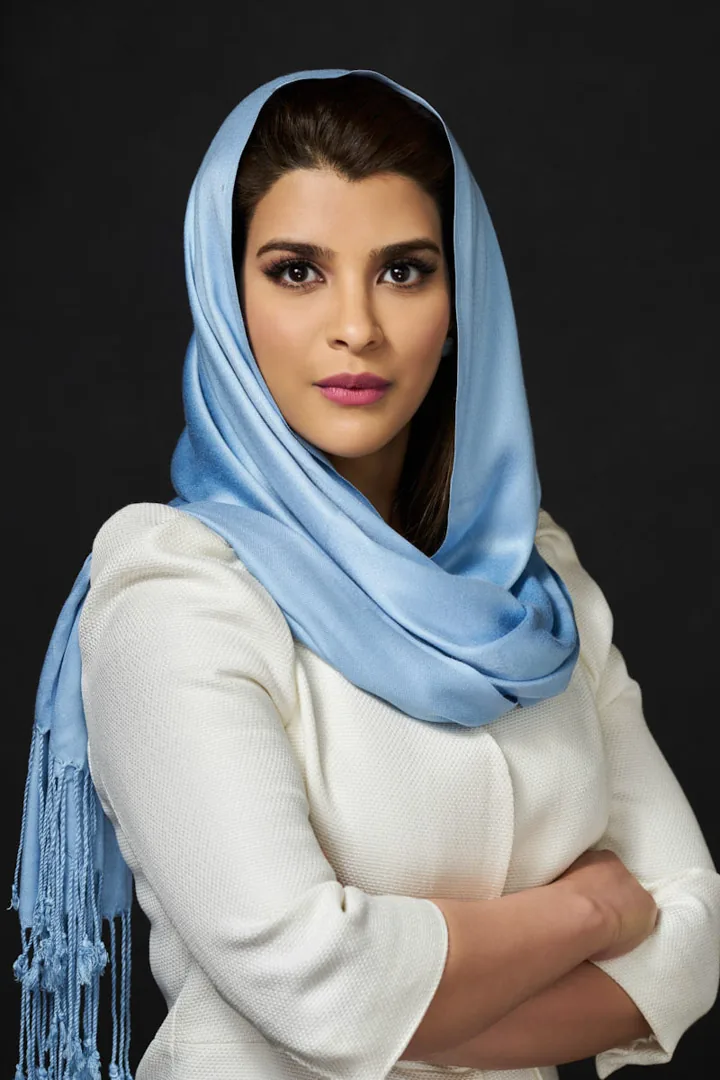
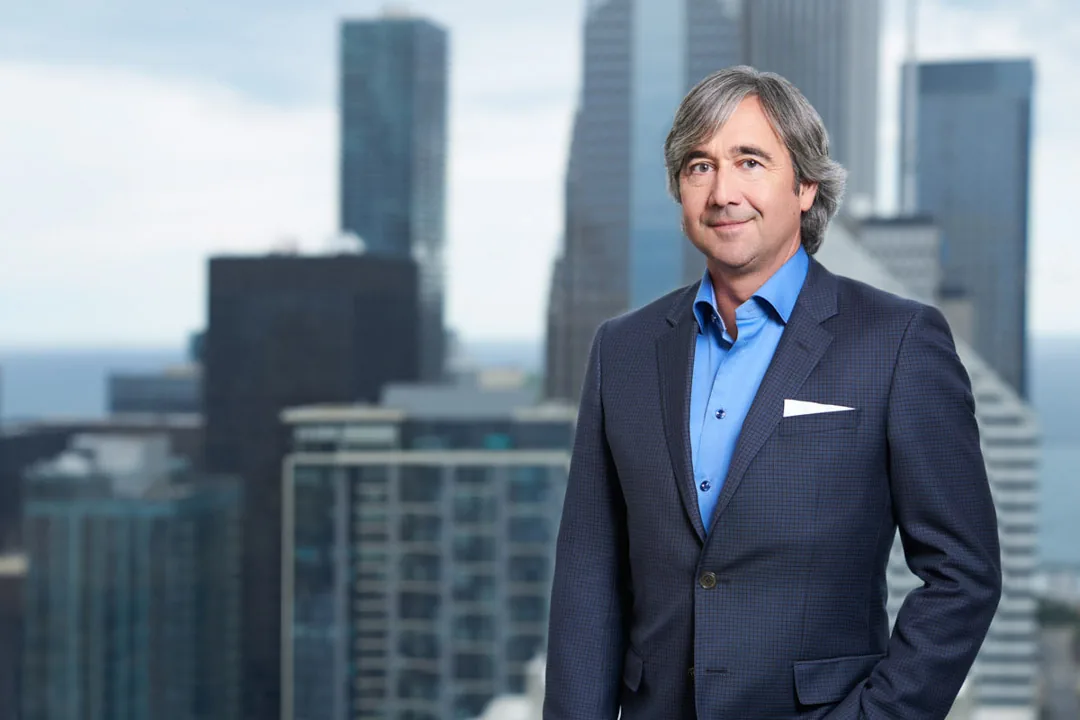
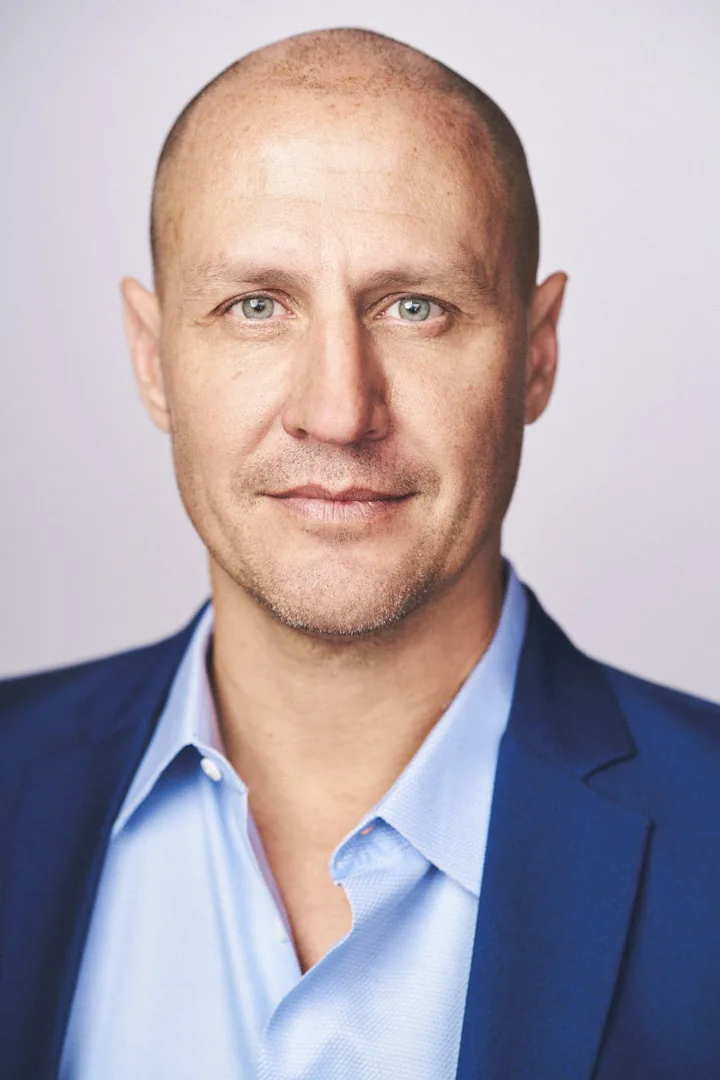
A headshot is the tighter crop. The frame holds your head, jaw, and the top of your shoulders, with maybe six to twelve inches of breathing room around the face. A bust-up extends down to mid-chest or a little lower. You can see lapels, a tie knot, the cut of a blouse, the line of the shoulders.
The terminology comes from theater and British editorial. Per the Wikipedia entry on the headshot as a genre of photographic portrait, the headshot is a tightly framed photo of the face used for professional identification. The bust-up is older. It traces back to bust sculptures, then to stage photography, then to actor casting submissions in the UK and Commonwealth countries.
If you want one sentence, here it is. A headshot is about your face. A bust-up is about your face plus the top half of how you carry yourself.
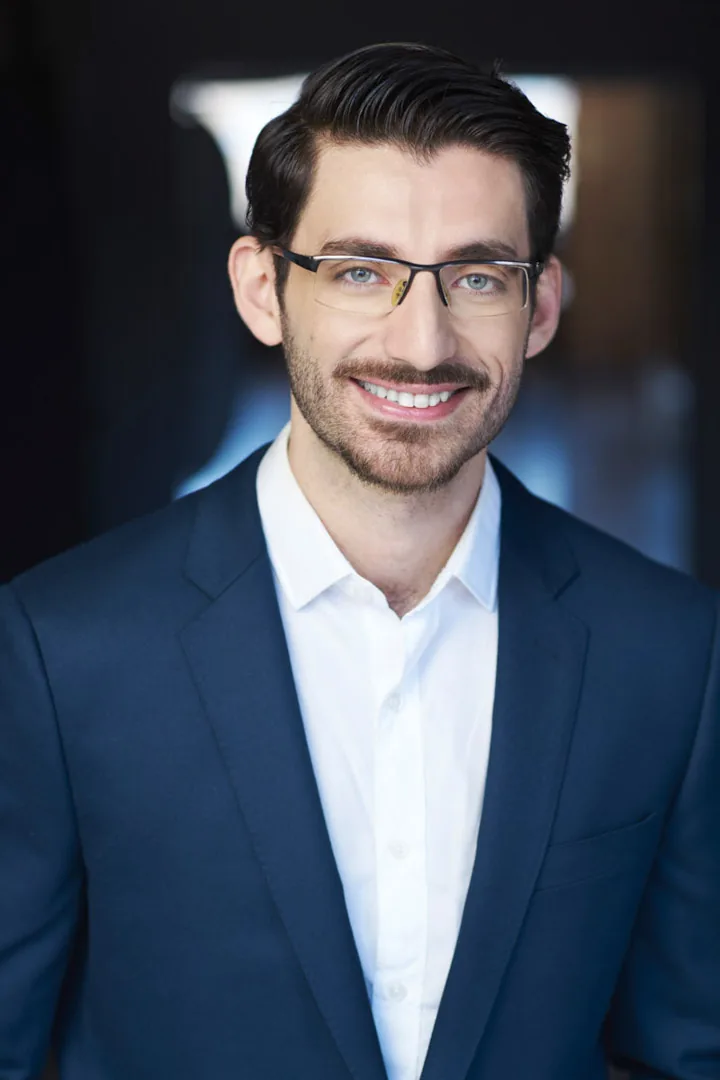
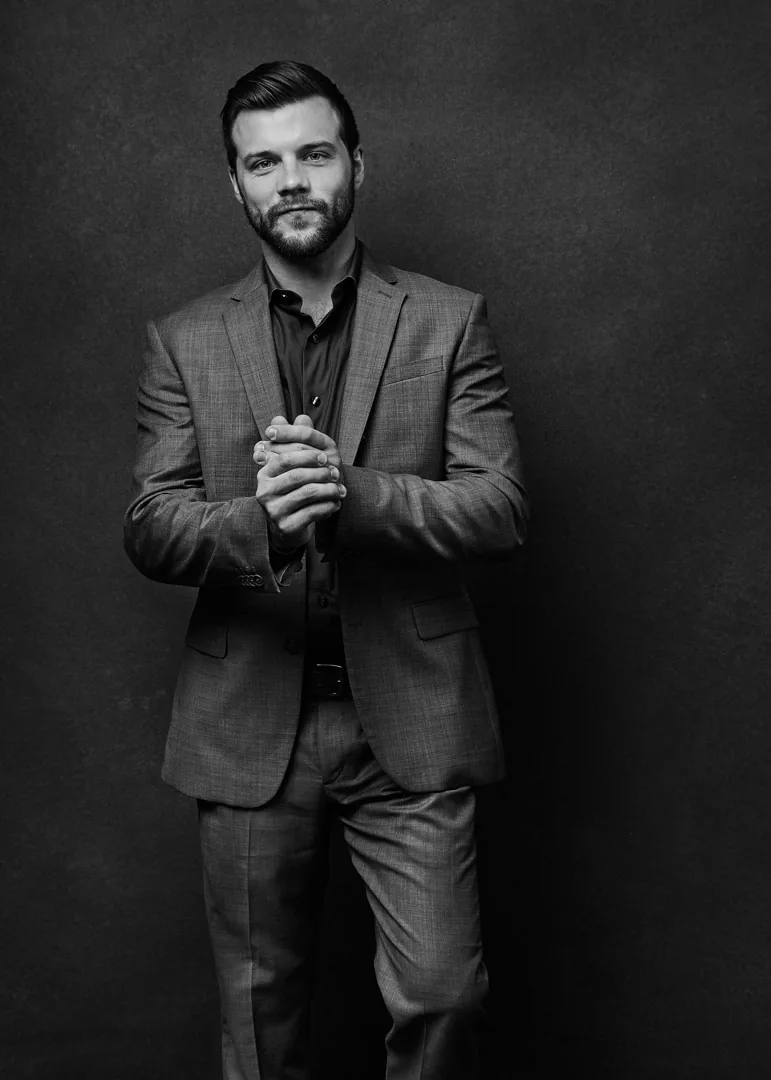

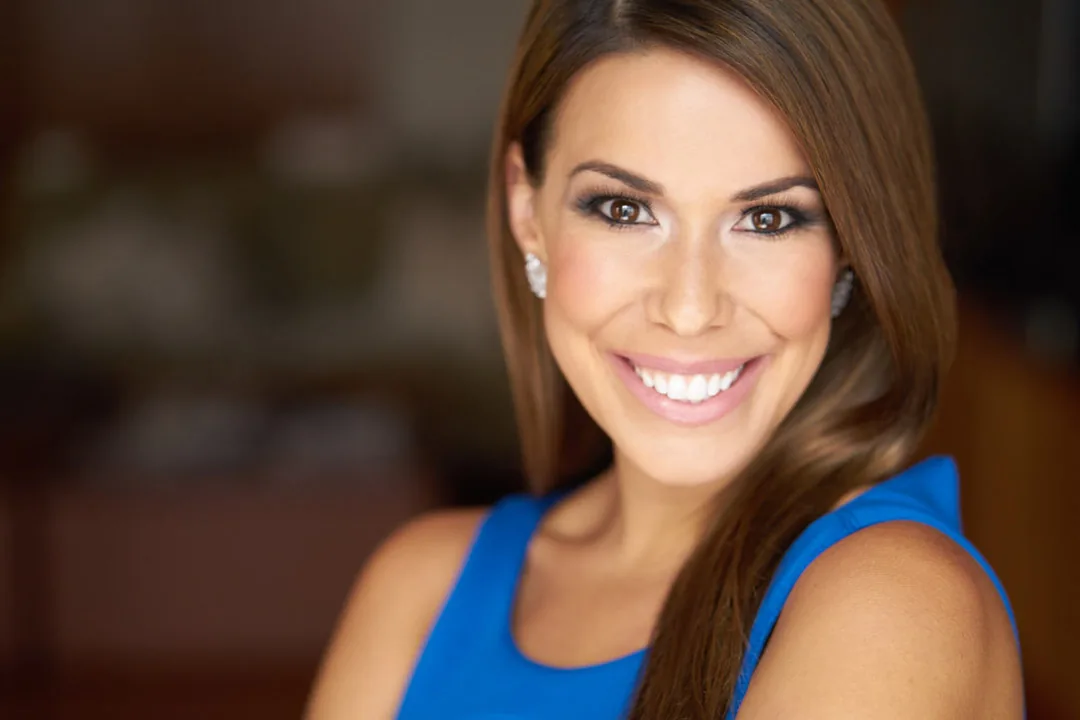
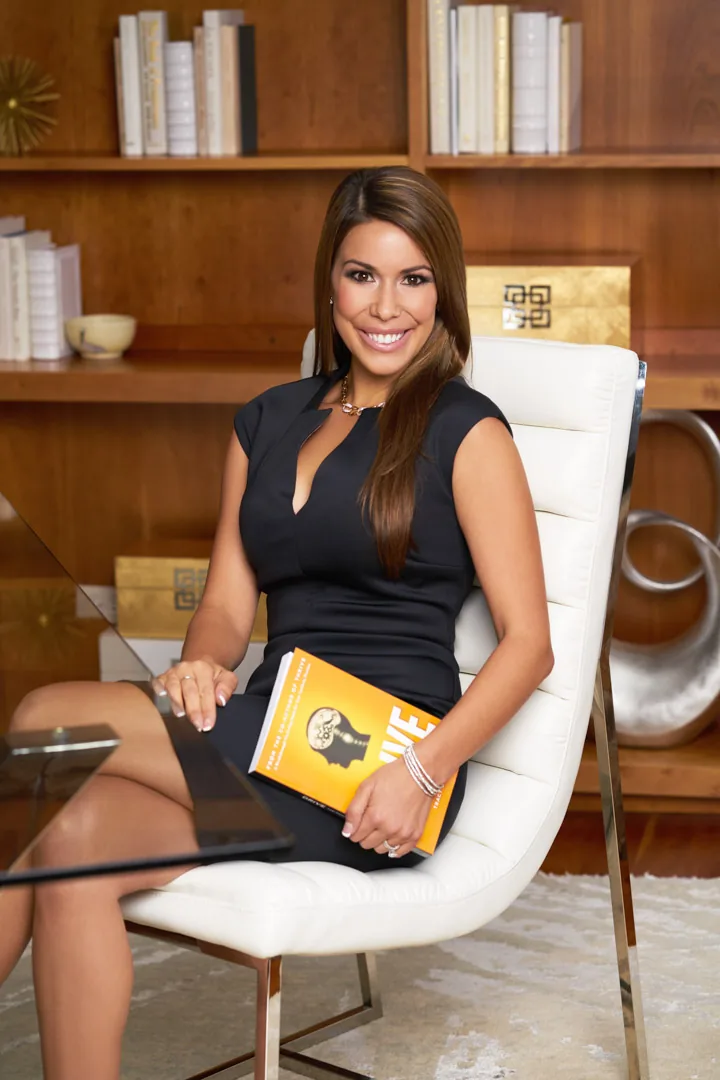
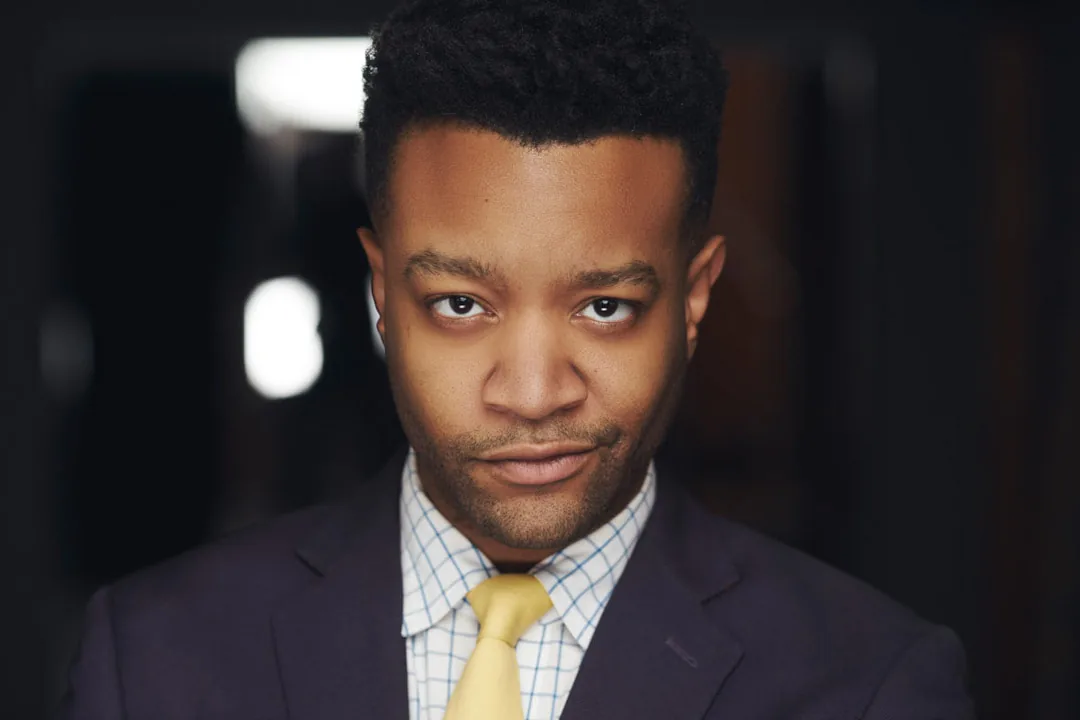
When does a headshot make sense?
Any time the platform crops tight automatically and consistency matters more than wardrobe.
LinkedIn is the obvious one. The avatar circle on a profile crops to head and shoulders no matter what you upload. A bust-up gets shrunk and the wardrobe context disappears. A clean headshot reads at every size, from the search results thumbnail to the cover of a connection request.
Bar association directories, medical boards, and Avvo. These platforms have strict crop ratios. A bust-up doesn't fit the rules and gets re-cropped poorly.
Corporate staff pages. When 30 employees need matching photos for the firm website, you need everyone on the same crop ratio. Headshots line up. Bust-ups don't, because the wardrobe variation breaks the visual rhythm.
Conference badges and speaker thumbnails. Same logic. The frame is small and the face has to do the work.
When does a bust-up make sense?
When wardrobe, posture, or theatrical context is part of the image.
Theater bios and acting headshots in the UK style. SAG-AFTRA submissions in the US sometimes call for a tighter headshot, but European casting and many regional theater companies still ask for a bust-up that shows shoulders and chest. A casting director wants to see how you hold yourself, not just your face.
Magazine editorial features. A profile piece in a regional business magazine or a trade publication usually runs the photo at half-page or full-page size. The bust-up gives the designer enough frame to crop different ways depending on the layout.
Personal-brand sessions for founders, coaches, and authors. The bust-up shows the wardrobe, the posture, and a hint of how you stand in the room. That extra context belongs on an About page or a press kit.
Speaker pages and conference websites. The hero image on a speaker's page is rarely a tight headshot. It's a wider frame that lets the photo breathe at a billboard or banner size.
Is a bust-up just a wider headshot?
Sort of. The composition is different from the start, though. A photographer shooting a headshot frames tight on purpose, picks lighting that wraps the face, and chooses a backdrop that won't compete at close crop. Hair and skin work get a lot of attention because they fill the frame.
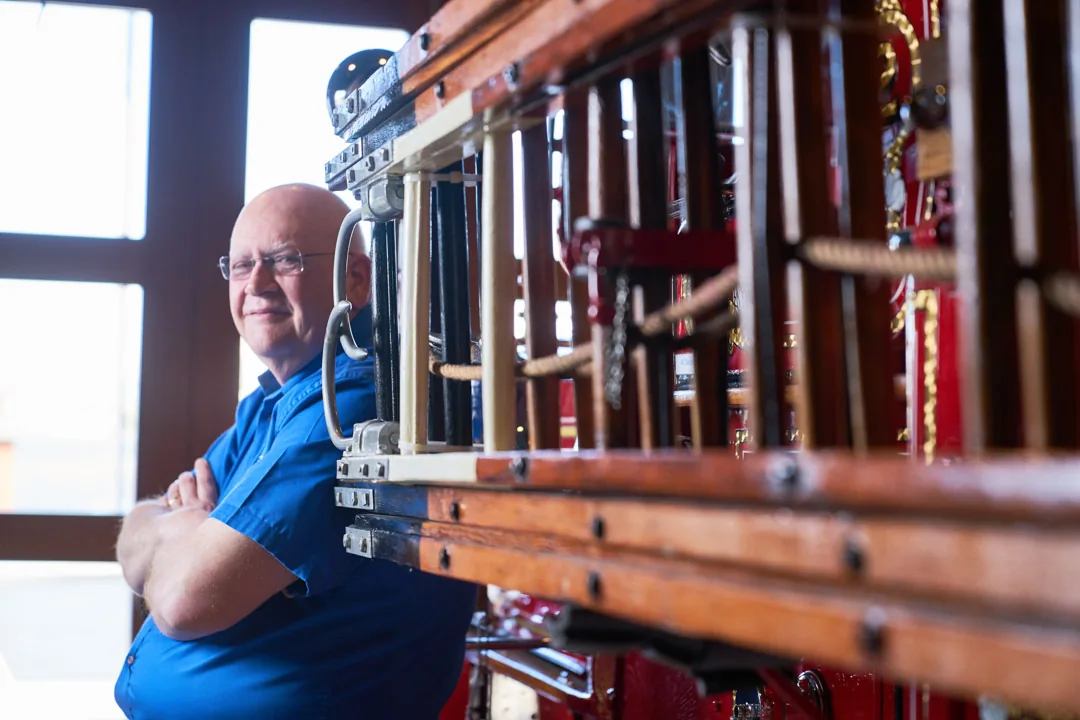
A photographer shooting a bust-up frames wider, picks lighting that handles both face and wardrobe, and pays attention to posture. Shoulder line, neck angle, the position of the chest. The face still leads, but the body has to work too.
Cropping a wide bust-up down to a tight headshot usually fails. The lighting was set for the wider frame, the chin angle was tuned for the bust-up, and the background reads differently up close. The reverse fails worse. A tight headshot zoomed out shows wasted space and an awkward edge.
Book the format you actually need.
What does the casting industry mean by bust-up?
In British casting, "bust-up" is a standard term on a casting brief, the same way an American agent might say "headshot" or "three-quarter." A bust-up is requested when the role involves wardrobe, period dress, or a physical type that can't be read from a tight face crop.
The Royal Academy of Dramatic Art's headshot guide trains actors to deliver both crops. Most US-trained actors learn the same. The standard SAG-AFTRA submission is a tight headshot. The standard supplementary image, when a role calls for it, is a bust-up.
If you're an actor and a casting director sends a brief asking for a bust-up, send the bust-up. Don't send your LinkedIn headshot.
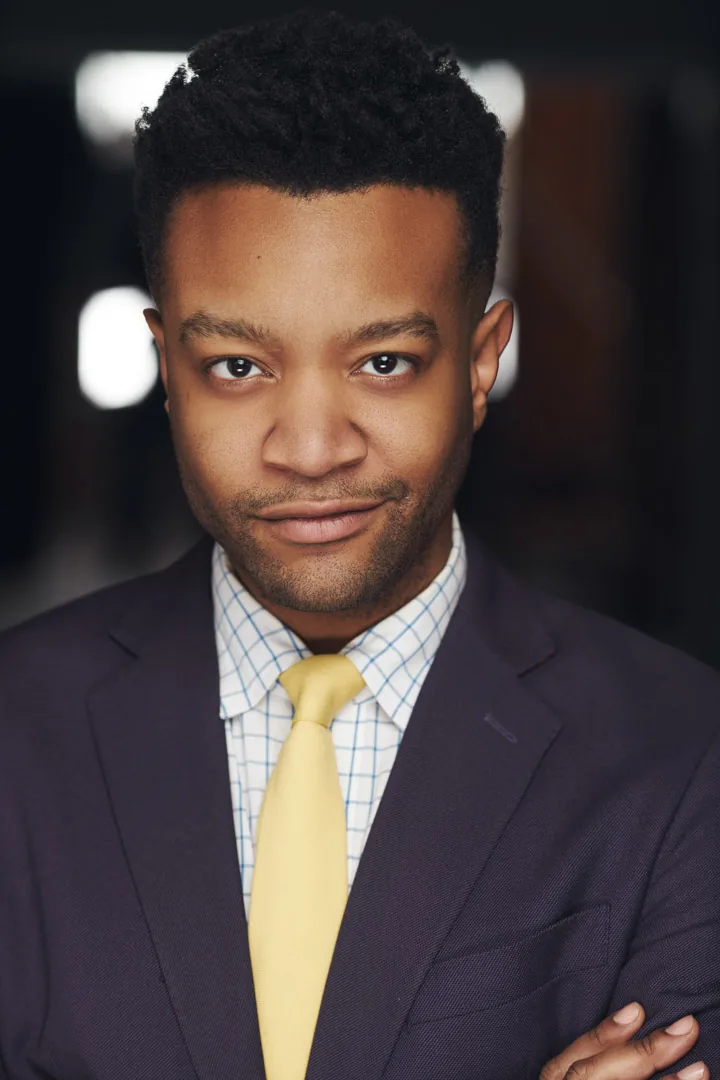
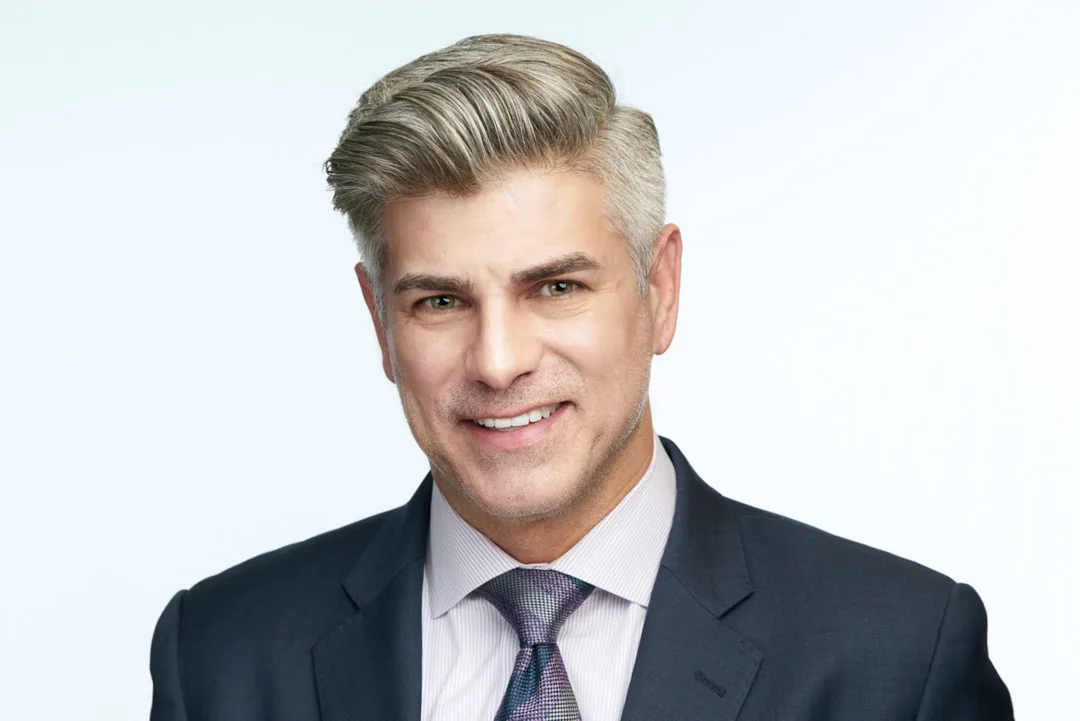
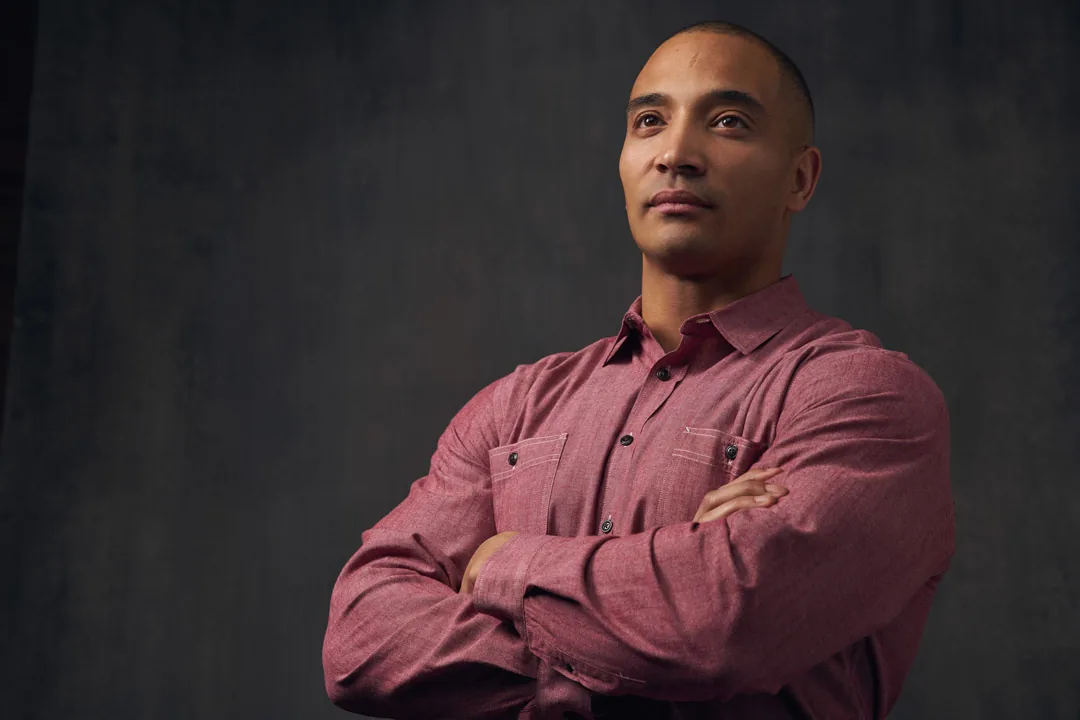
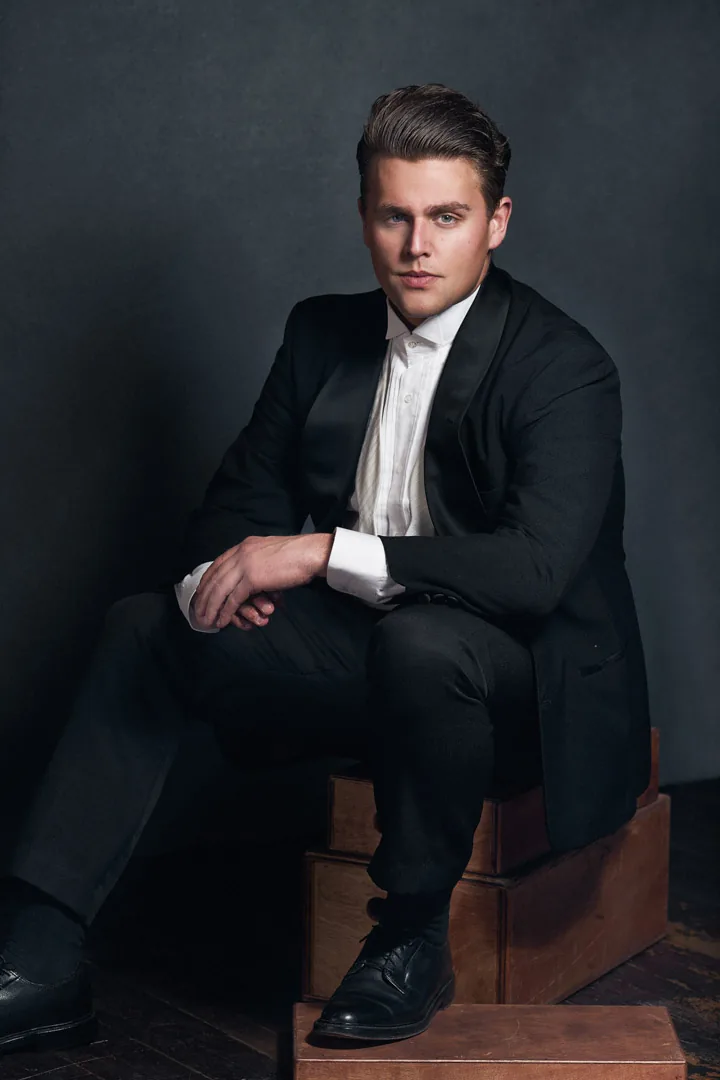
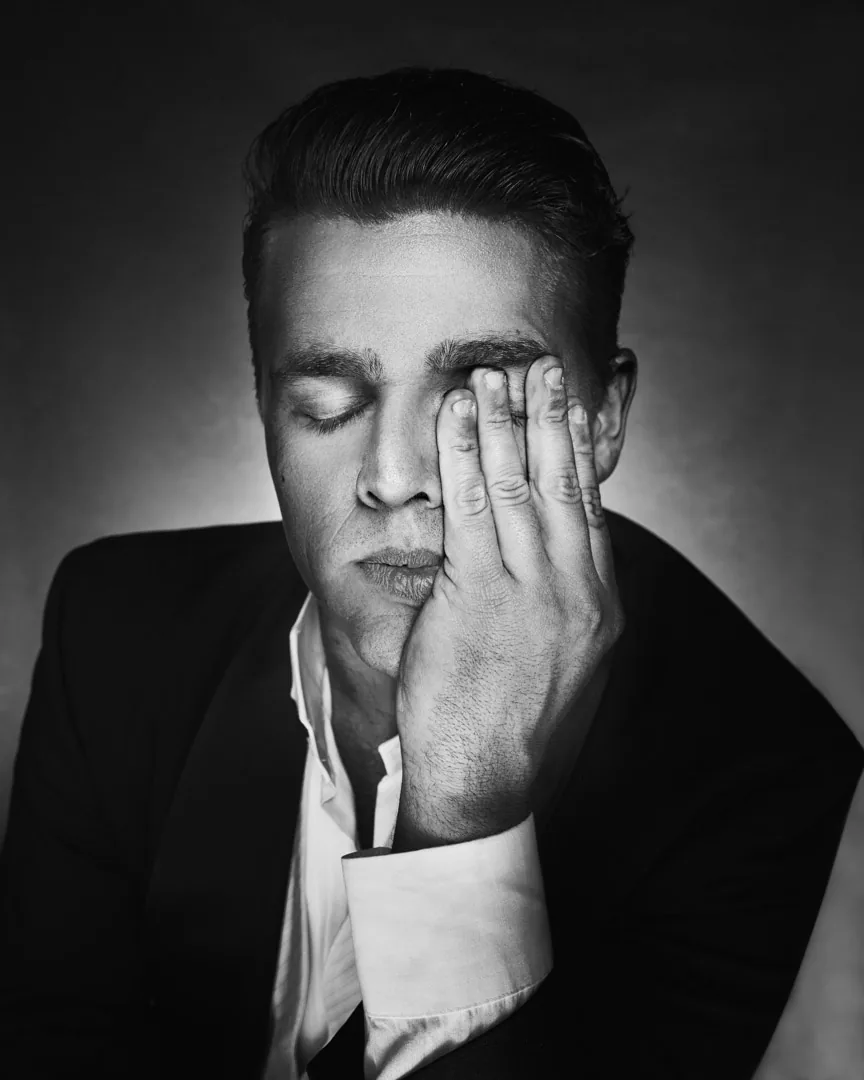
Can one session deliver both crops?
Yes. It's the most efficient way to handle the question.
Our Fort Myers studio shoots both formats in the same session. The lighting setup gets adjusted between the headshot frames and the bust-up frames. The backdrop usually stays the same. Joshua directs each segment differently, because the energy of a tight headshot is not the energy of a bust-up.
You walk out with a tight headshot for LinkedIn and your bar association directory plus a bust-up for your About page, your theater bio, or your speaker website. One session, both deliverables.
Most personal-brand clients and most actors book a combined session. Most corporate clients book a pure headshot session. Pick based on where the photo has to live.
Why does the term you use matter when booking?
Because some photographers default to one format and never ask. If you book a "headshot" session expecting a bust-up, you get the wrong crop and have to reshoot. If you book a "bust-up" session expecting a tight LinkedIn shot, you get a frame that doesn't fit the LinkedIn avatar.
Use the right word with the photographer. If you're not sure which one you need, describe the use case instead. "I need a photo for LinkedIn and one for our company About page" is clearer than "I want a headshot." A working photographer can pick the right crop from the use case.
If you're shooting in Fort Myers and you want both, just say "I want a combined session, headshot plus bust-up." We've shot it thousands of times.
How does pricing work for headshots and bust-ups?
Pricing is the same for both formats. The session fee is $500 with unlimited time. Each final retouched image is $150. A combined session that produces both crops is the same $500 plus $150 per image you select.
Most LinkedIn-only clients walk out with one to three final headshots. Total runs $650 to $950.
Most personal-brand and acting clients walk out with three to five finals across both crops. Total runs $950 to $1,250.
Standard turnaround is 48 to 72 hours. 24-hour rush is available when an agent or casting director needs it tomorrow.
Why choose JA Headshots in Fort Myers?
Joshua Albanese founded a top-10 US headshot studio in Chicago in 2007. Eighteen years, 15,000+ sessions, and over three million images later, he relocated to Fort Myers in 2024 to bring the same studio standard to Southwest Florida.
He shoots every session personally. No assistant on the camera, no handoff. Direction stays consistent from the first frame to the last. Sessions run on unlimited time, so the session ends when you have the images you need, not when a 15-minute clock runs out.
Posing direction is the part most photographers skip. Joshua reads body language in real time and adjusts in the moment, which matters more for bust-ups where posture has to read at a glance. Every final image gets hand retouching by a human, not a filter. Skin, color, background, and eye work all get real attention.
Ready to book your session?
Book a headshot session, a bust-up session, or a combined session at JA Headshots in Fort Myers. Walk out with the exact crop your industry expects, not a guess.
JA Headshots, Fort Myers, FL. Call (239) 401-6999 or email hello@jaheadshots.com. Open 7 days a week, 8am to 6pm. Sessions currently booking 1 to 2 weeks out.
About the author
Joshua Albanese has shot over 15,000 individual sessions across 18 years, including actors, executives, and personal-brand clients who needed both a tight headshot and a bust-up from the same afternoon. He shoots every JA Headshots session personally at the Fort Myers studio. He writes from inside the studio, not from a stock-image catalog.
Three concepts behind the headshot vs. bust-up distinction
Three concepts that frame why the headshot crop differs from a bust-up.
A tightly framed portrait focused on the face, shoulders, and expression. Used for LinkedIn profiles, company about pages, press kits, and any context where a single image stands in for the person.
The arrangement of visual elements within a frame. Headshot composition decisions — crop, eye position, head tilt, shoulder angle — drive how authoritative or approachable the subject reads.