
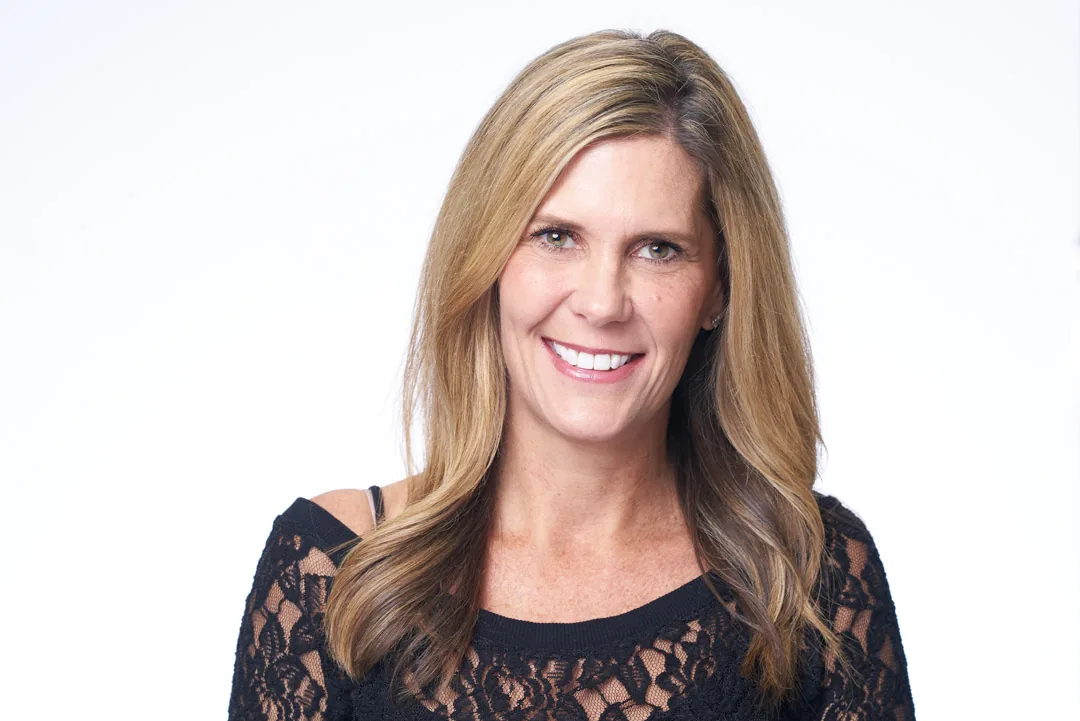
LinkedIn is not Instagram. The crop is square, tight, and unforgiving. Most of your outfit doesn't even make the frame. The recruiter sees your face, your neckline, and about six inches of fabric. That sliver of cloth is doing more work than your entire weekend wardrobe combined.
Joshua Albanese has shot 15,000+ headshot sessions over 18 years, and the wardrobe conversation comes up first in almost every booking. This is what we tell every client at the JA Headshots studio in Fort Myers, regardless of industry.
Why does the LinkedIn crop change the wardrobe rules?
LinkedIn renders profile photos as a 400 x 400 circle on desktop and a smaller one on mobile. The frame catches your face, hair, neckline, and one to two inches of shoulder. Patterns disappear. Textures muddy. Logos warp. The neckline is the only piece of clothing the recruiter actually evaluates.
If you show up with a busy print, a chunky scarf, or a graphic tee, the human eye reads "noise" before it reads "person." Recruiters scrolling 200 candidates a day pattern-match at half a second per profile. Noise loses.
What colors photograph best on LinkedIn?
Solid jewel tones win. Navy, deep emerald, burgundy, charcoal, slate gray, and a clean true white all hold their value on a small circular crop. They contrast cleanly against most studio backdrops without flattening the face.
Stay away from:
- Bright red. Reads aggressive on a small thumbnail and bleeds into skin tones in compression.
- Neon anything. Looks unprofessional at any crop size.
- All-black on a dark background. You become a floating head.
- All-white on a white background. Same problem in reverse.
- Loud patterns. Pinstripes, plaids, paisleys, and dense florals all alias into Moiré bands at LinkedIn's compression.
The safest bets across every industry: navy, charcoal, deep teal, and a structured white shirt under a darker layer.
Does the industry matter?
It does, and the difference is bigger than people think. The LinkedIn algorithm doesn't care, but the human reading the profile does. Wear what your industry's most respected practitioners wear, then go one click sharper.
Tech and startup
Crew-neck solid t-shirt in a jewel tone, or a clean button-down with no tie. Hoodies photograph poorly at a tight crop because the hood swallows the neckline. If you must signal "founder energy," a structured zip-up or a fitted Henley reads cleaner than a hoodie at 400 pixels.
Finance, banking, legal
Suit and tie for men, structured blazer for women. The tie should be a solid jewel tone or a small geometric pattern, never a novelty print. Avoid open collars at the partner level. The LinkedIn photo is the second handshake, and clients in this space read "open shirt" as casual.
Medical and healthcare
White coat over a solid scrub or a button-down. Stethoscope around the neck reads as a costume on LinkedIn unless you're actively in clinic. A clean white coat with a name tag is the ceiling. If you're in a non-clinical role (admin, research, telehealth), a structured blazer wins.
Creative and marketing
You have the most latitude. A textured blazer, an interesting jewel-tone sweater, or a structured t-shirt all work. The trap in creative industries is over-styling. A statement necklace and a printed scarf together read busy, not stylish. Pick one accent, kill the rest.
Real estate, sales, consulting
Blazer over a clean shell or button-down. The blazer is non-negotiable in these client-facing fields because the LinkedIn photo is the first sales touch. Plain blazer in navy, charcoal, or a deep neutral. Save the seasonal blush blazer for the team retreat.
What about the neckline specifically?
Necklines determine 70% of the photo's read. Two rules:
- Crew necks and v-necks (no deeper than two finger-widths below the collarbone) photograph cleanly across all genders.
- Open-collar button-downs are fine as long as you button to one button below the throat. Anything lower starts to read casual at LinkedIn's crop.
Avoid: scoop necks that disappear into the frame's bottom edge, turtlenecks that swallow the chin (especially on shorter necks), and chunky knit collars that crowd the face. The face needs negative space around it. The neckline gives the face room to breathe.
What about jewelry and accessories?
One accent. That's it. Either earrings, or a necklace, or a watch, or a pocket square. Stacking two reads cluttered at thumbnail size.
The best jewelry choices on a 400-pixel circle:
- Small studs, hoops no larger than the earlobe, or a single subtle drop earring.
- A thin chain that sits at or just above the collarbone.
- A watch only if the wrist is visible (most LinkedIn crops don't show wrists).
Skip: large statement earrings, dangling pendants, anything reflective enough to throw studio light into the lens, novelty pins, and neck scarves unless they're a defining piece of your professional identity. Some real-estate professionals and creatives lean into a signature scarf, and that's fine. Just keep it solid.
Should men wear a tie?
It depends on the industry. In finance, law, and corporate banking above the VP level, yes. Wear a solid jewel-tone tie or a small geometric pattern, knotted full Windsor or half Windsor. In tech, healthcare, creative, real estate, and most consulting, no tie reads more current than tie. If you're unsure, look at the LinkedIn photos of three people one rung above you in the same firm. Match what they wear, then push it slightly sharper.
What should women wear?
A structured blazer over a solid jewel-tone shell or a clean white blouse is the safest cross-industry choice. Avoid:
- Spaghetti straps or strapless tops (they read shoulderless at a tight crop).
- Ruffles around the neckline (they alias on compression).
- Plunging V-necks lower than two finger-widths below the collarbone.
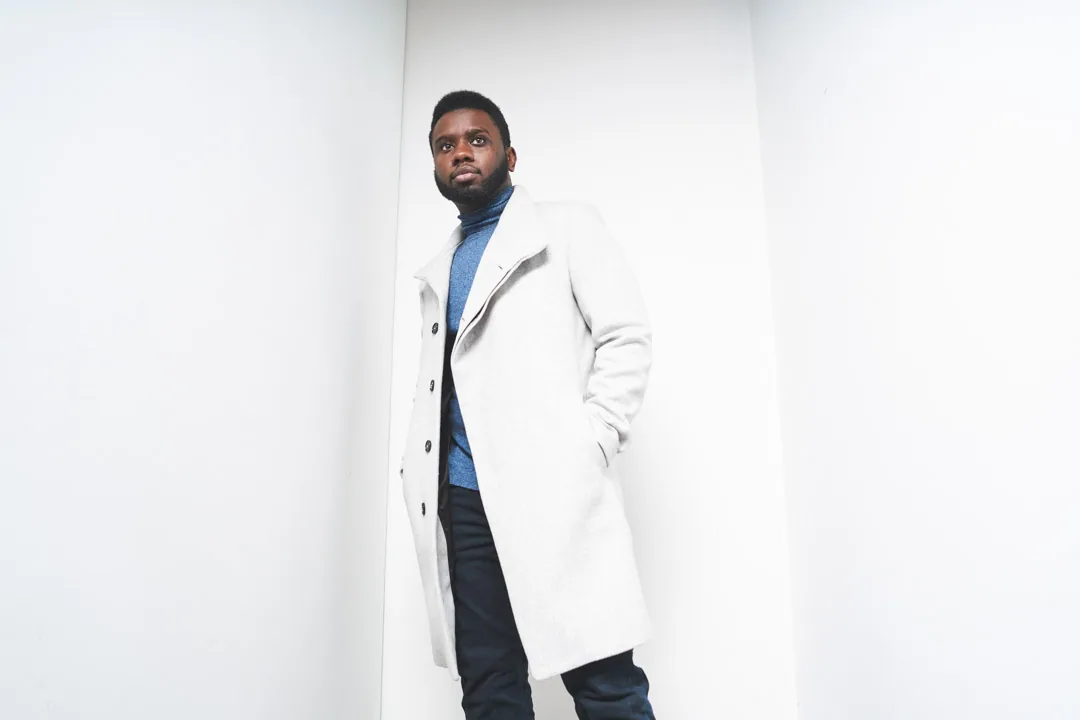
A fitted turtleneck in navy, charcoal, or burgundy works for creative roles. A button-down in solid white or a soft jewel tone works everywhere. Hair styled away from the face buys 10% more frame for the actual face.
What about glasses, makeup, and hair?
Glasses go on if you wear them every day. The recruiter is going to meet the version of you that walks into the room. Anti-reflective coating helps the photographer kill glare. If you don't wear glasses daily, take them off for the photo.
Makeup should match what you wear to client meetings, plus 10%. Studio lighting flattens makeup, so a slightly heavier matte foundation and a defined brow read normal on camera. Avoid heavy contouring, glossy lip, and shimmer eyeshadow. They all photograph harder than they look in the mirror.
Hair should be styled the way you actually wear it on a normal Tuesday. The LinkedIn photo is a recognition tool. If your hair in the photo doesn't match how you show up to coffee with a recruiter, the photo failed its only job.
What's the single biggest wardrobe mistake people make?
Wearing what they wore to last year's holiday party. The festive sweater, the satin blouse, the patterned silk tie. These read fine in person. They die at a 400-pixel crop. Solid color, structured fit, no statement pattern. That's the formula.
The second-biggest mistake: bringing one option to the shoot. A good photographer asks you to bring three to five tops so we can test what photographs best under studio lighting. If your photographer doesn't ask, ask them.
Does any of this matter for an internal-only profile?
Less. If your LinkedIn profile is purely an internal directory entry at a 50-person company and you're not job-searching, the rules relax. A clean t-shirt and a smile beats a bad suit. But the moment you turn on "open to work" or you're in any client-facing role, the wardrobe rules above start earning their keep again.
LinkedIn's own profile photo guidance confirms most of this: solid color, simple background, face filling about 60% of the frame. The platform tells you exactly what works. Most users still don't follow it.
Frequently asked questions
Should I wear the same outfit on LinkedIn that I wore on my last resume photo? No. If the photo is more than two years old, refresh it, and rebuild the wardrobe choice from scratch. What worked in 2023 (heavy patterns, oversized blazers) doesn't read the same on the current LinkedIn algorithm and visual culture.
Can I wear a t-shirt for a LinkedIn photo? In tech, creative, and some startup roles, yes. A solid jewel-tone crew-neck t-shirt under good light reads professional and current. In finance, law, and most C-suite contexts, no.
What if my industry doesn't have a clear dress code? Default to a structured blazer over a solid shell. It's the most universally readable outfit at 400 pixels and signals "I take this seriously" without overdressing.
Should I match my outfit color to my LinkedIn banner image? If you can do it without looking matchy, yes. A navy blazer with a navy banner reads intentional. If matching feels forced, prioritize the wardrobe and let the banner be neutral.
Do I need to wear the same thing for the entire session? No. Bring three to five tops. A good photographer rotates through them and delivers two or three distinct looks so you can refresh the photo across LinkedIn, your bio, and speaker pages without reshooting.
You'll get wardrobe coaching before the session, a styled set inside the studio, and a gallery you can use across LinkedIn, your firm bio, and any future press.