
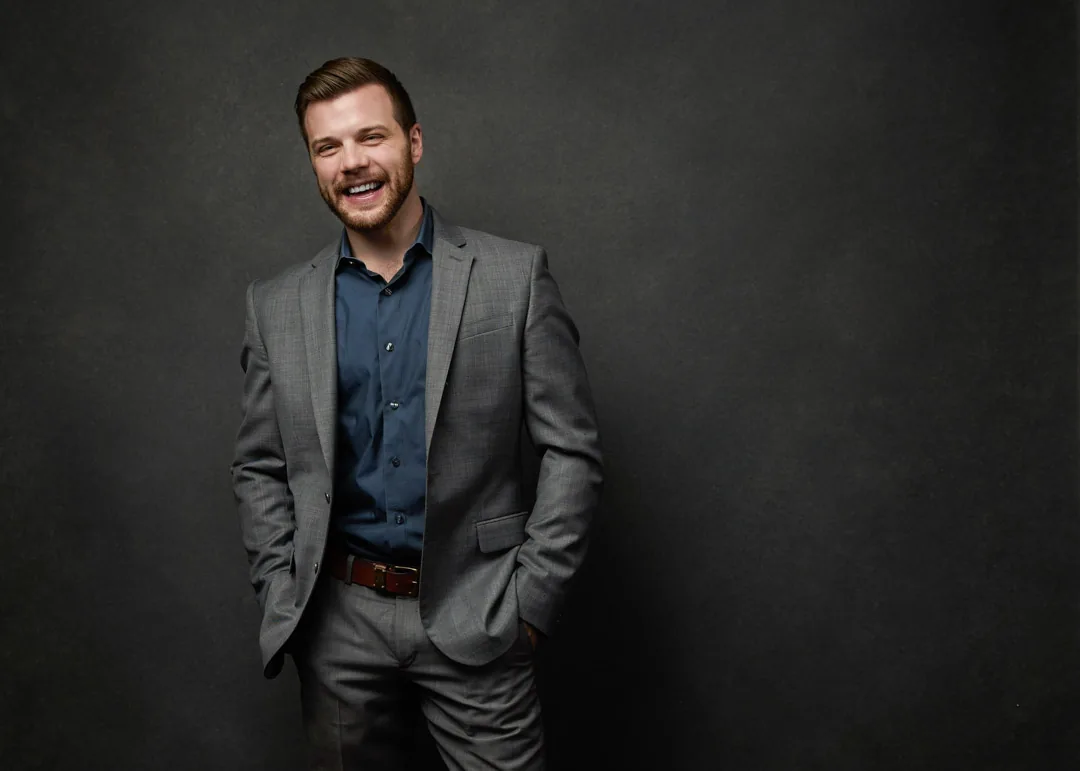
Thinking a phone selfie is good enough? Professional headshot vs. a phone selfie, and what actually converts.
A professional headshot converts because it signals competence and trust in the first fraction of a second, while a phone selfie usually reads as casual or off before anyone reads a single word about you. If you want a photo that earns the click on LinkedIn or the reply to your pitch, Fort Myers business headshots at JA Headshots are built for exactly that job, and this guide explains why the difference is bigger than the camera.
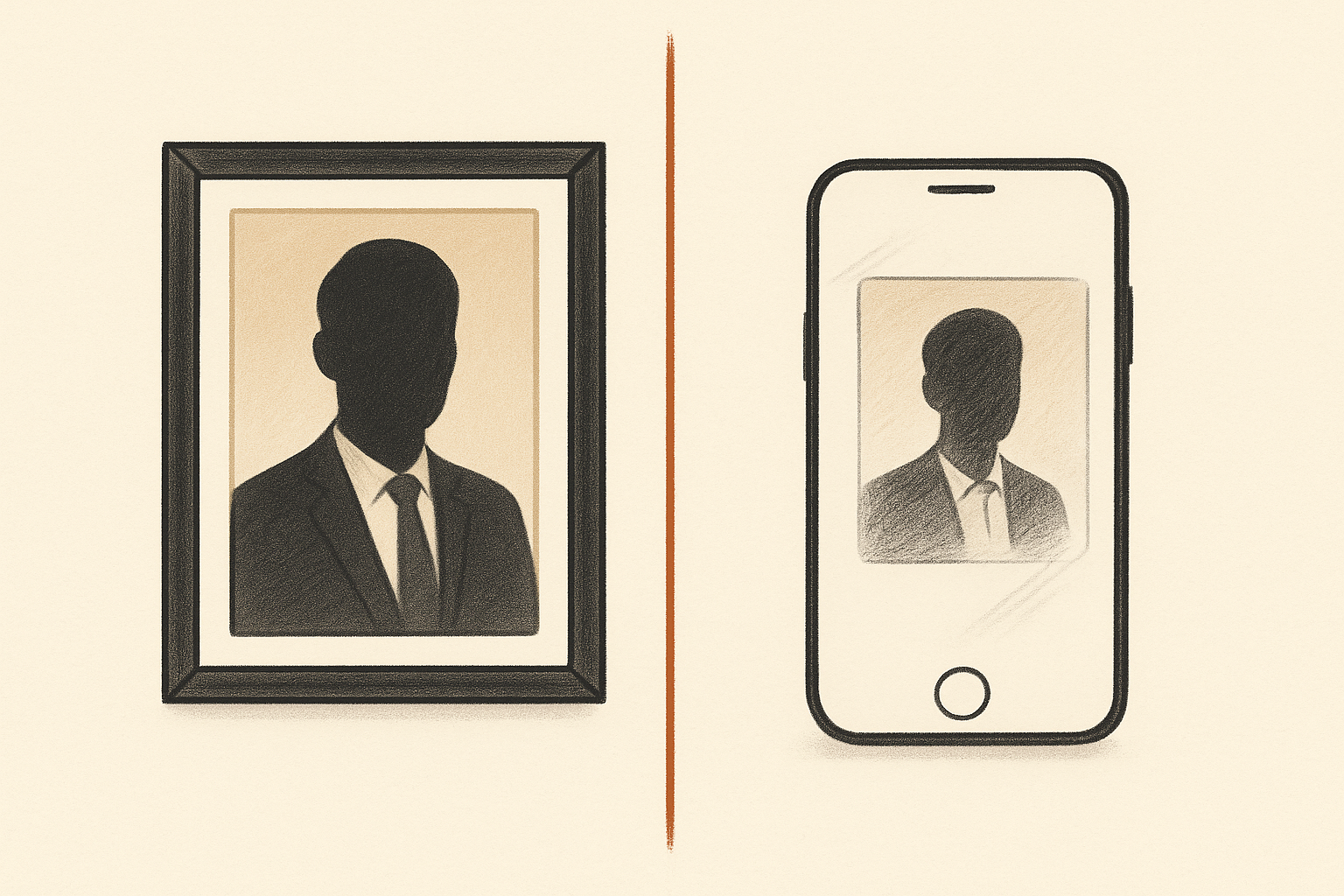
Does the difference really matter?
Yes, and more than most people expect. Your headshot is the first thing a recruiter, a potential client, or a journalist sees, and they form an opinion about you before they finish reading your name. A polished professional headshot tells them you take your work seriously and pay attention to detail. A phone selfie, even a good-looking one, tends to say the opposite by accident.
This is not vanity. It is the practical reality of how people scan profiles. On LinkedIn, in a search results grid, or in a lineup of speaker photos, your face is competing for a second of attention against a dozen others. The photo that reads "credible professional" at a glance is the one that gets the message, the meeting, or the mention.
The gap shows up most in the settings that matter for your career. For a personal Instagram post, a selfie is perfect. For the photo attached to a proposal, a board bio, or a press feature, the difference between a pro headshot and a phone snap is the difference between reading like an expert and reading like a placeholder.
What does the 100-millisecond first-impression research say?
People form judgments about your competence and trustworthiness from a face almost instantly. In a well-known study by Princeton psychologists Janine Willis and Alexander Todorov, published in Psychological Science in 2006, participants judged faces on traits including trustworthiness, competence, and likeability after seeing them for as little as one-tenth of a second. Longer exposure did not change the initial judgment much; it mostly made people more confident in the snap decision they had already made.
That is the whole ballgame for a headshot. Whoever lands on your profile is running the same fast, automatic appraisal, and they are doing it on the image you gave them. You do not get to explain the photo first. The photo is the first explanation.
Here is the honest nuance: the research is about faces, not specifically about professional headshots versus selfies, and it does not promise a specific jump in clicks or replies. Anyone quoting you a precise conversion percentage is guessing. What the science does establish is that the first impression happens fast and sticks, which is exactly why the quality and intent behind the image are worth controlling instead of leaving to chance.
What does a pro control that a selfie can't?
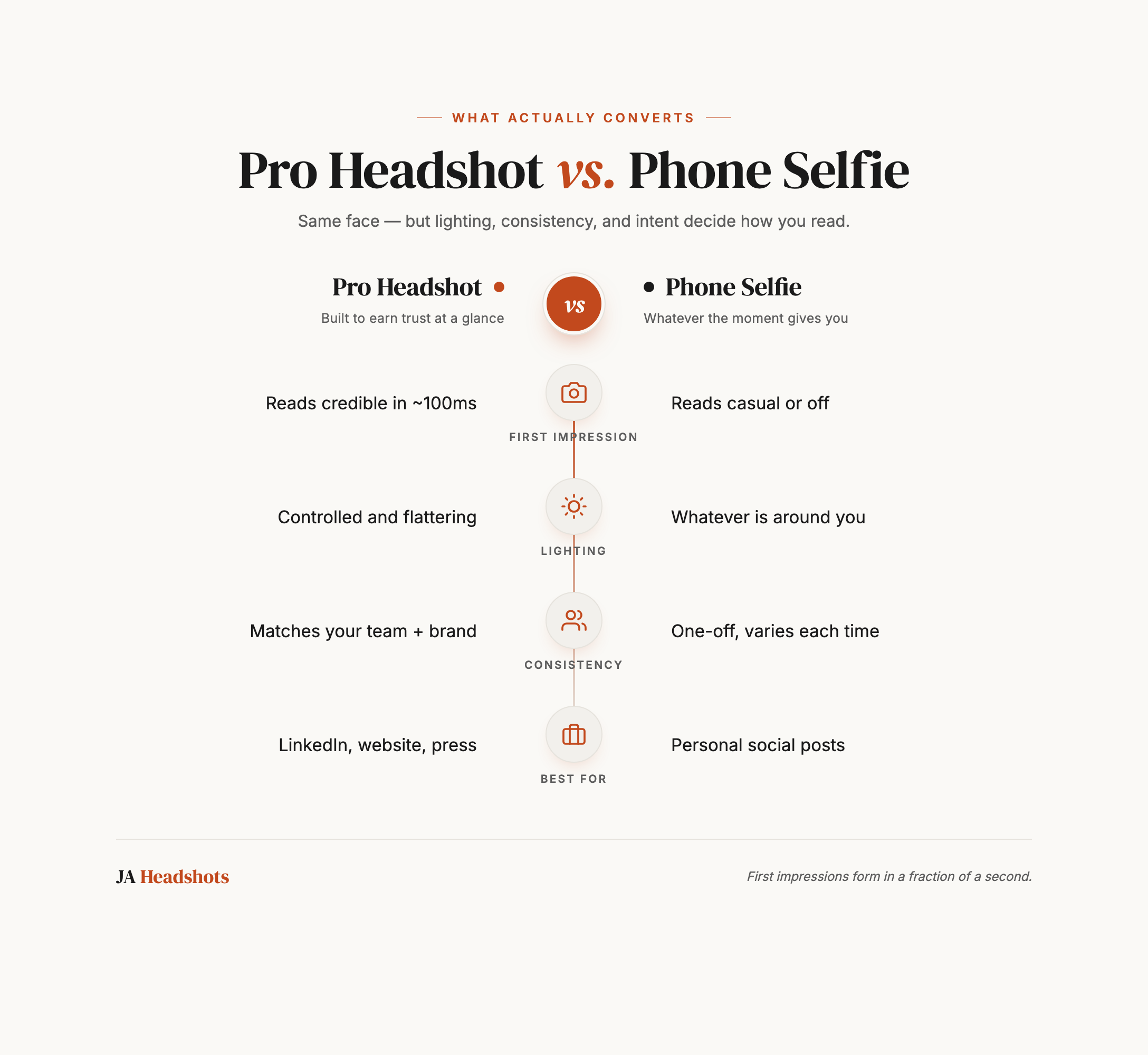
A professional session controls the four things that actually decide how your face reads, and a phone selfie leaves most of them to luck. The camera was never the real variable. These are.
- Lighting. A pro shapes light to flatter your bone structure, soften shadows under the eyes, and give your skin dimension. A selfie is stuck with whatever is around you, which is usually flat overhead office light or harsh window glare.
- Focal length and distance. Holding a phone at arm's length distorts your features, pushing your nose forward and shrinking everything else. A proper portrait lens shot from the right distance renders your face in natural proportion, the way people actually see you.
- Expression and direction. Getting a genuine, confident expression on demand is hard, which is why so many selfies look either stiff or over-smiled. A photographer directs you into an expression that reads warm and credible, and captures it at the right moment.
- Background and framing. A clean, intentional background keeps the focus on you. A selfie often includes a cluttered room, a car headrest, or a bathroom mirror, all of which quietly undercut the professional read.
None of this requires you to be photogenic, and none of it is about editing you into someone else. It is about removing the accidental signals a selfie sends so the real you comes through as your best, most credible self. That is the entire premise behind our psychology-driven LinkedIn headshots in Fort Myers, which are built specifically for the recruiter-scan moment.
When is a phone selfie actually fine?
A selfie is genuinely fine, and often better, when the setting is personal and casual. Not everything needs a studio.
Use a phone selfie for your personal social feeds, a casual dating profile where relaxed and candid is the point, group photos with friends, or quick behind-the-scenes content where the whole appeal is that it feels unposed. In those places, a formal headshot can actually read as trying too hard. The medium should match the message.
The line is simple. If a stranger is using the photo to decide whether to trust you professionally, invest in a real headshot. If the photo is for people who already know you, or the context is meant to feel informal, your phone is all you need. The mistake is not using selfies; it is using a selfie in the one spot where a first impression is doing real work for your career.
There is also a consistency dimension. A selfie is a one-off that varies every time you take one, so your images across platforms end up looking like different people. A professional session gives you a set that matches your team, your website, and your brand, which is why growing companies book corporate headshots in Fort Myers as a set rather than letting everyone submit their own phone photo.
How do I get a professional headshot without hating the process?
You book a session built around the fact that most people say they hate having their picture taken, and you let the process do the work. That is the part a lot of people do not realize is available: the discomfort is a solvable problem, not a fixed trait.
A good session starts before the camera. We talk through where the photos will be used, what your industry expects, and what you want to project, then handle wardrobe and framing so you are not guessing. During the shoot, you get direction and coaching the whole way, so you are never left standing there wondering what to do with your hands. With unlimited session time, there is no clock pressure forcing a rushed result, and professional retouching is included so the final images look polished without looking edited.
Pricing is transparent, too. Our individual headshot pricing in Fort Myers is a flat $500 session fee plus $150 per fully retouched image you choose to keep, with no hidden costs and standard delivery in 48 to 72 hours. You see the range, you pick your favorites, and you walk away with images built to work everywhere your face needs to earn trust.
The questions we hear most about headshots versus selfies, answered in plain language.
Ready for a photo that earns trust at a glance?
Your face is doing a first-impression job whether you planned for it or not, so it is worth giving it the right image to work with. If your current profile photo is a selfie standing in for a headshot, book Fort Myers business headshots at JA Headshots and get a portrait built for LinkedIn, your website, and press. Sessions are guided start to finish, retouching is included, and there is no clock on your time. Call (239) 401-6999 to book.
This article was written by Joshua Albanese, founder and lead photographer at JA Headshots in Fort Myers. He founded a top-10 US headshot studio in Chicago, photographed more than 15,000 professionals over 18 years, and relocated to Southwest Florida in 2024. His psychology-driven approach is built for people who are convinced they are not photogenic.
Frequently asked questions
Is a phone selfie ever good enough for a professional profile?
For a personal social account, yes. For anything where a stranger is deciding whether to trust you, no. Recruiters, clients, and press editors read a photo in a fraction of a second, and a selfie usually signals casual before you get a word in. Save the selfie for Instagram and use a professional headshot on LinkedIn, your website, and your press kit.
Why do professional headshots look so much better than phone photos?
Three things a phone cannot fix on its own: controlled lighting that flatters your face instead of flattening it, a longer focal length that keeps your features in natural proportion, and direction so your expression reads confident rather than caught off guard. A phone selfie is stuck with whatever light and angle you happen to have.
Do modern phone cameras close the gap?
Phone cameras are excellent, but the camera was never the main problem. Lighting, distance, angle, and expression decide whether a photo reads credible, and those are the parts a professional session controls. A great sensor with harsh overhead light and an arm's-length angle still reads like a selfie.
How often should I update my professional headshot?
Update it when your appearance has changed enough that people would not recognize you from it, or roughly every two to three years. The photo should look like you on a normal good day, not a stranger. If you changed roles, your hair, or your glasses, it is time.
What should I wear for a professional headshot?
Wear what you would wear to meet your most important client, in solid colors that are not pure white or pure black. Avoid busy patterns and brand-new logos. We talk through wardrobe before your session so the photo matches your industry and your brand, whether that reads boardroom or approachable.
Business headshots in Fort Myers, built for LinkedIn, your website, and press.
Learn more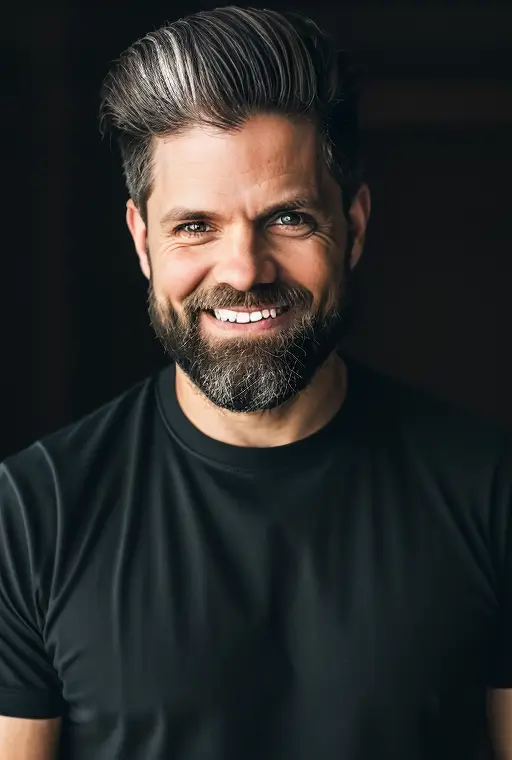
Written by
Joshua Albanese
Photographer, JA Headshots
Joshua Albanese founded one of the top-10 rated headshot studios in the United States in Chicago in 2007. Over 18 years he photographed more than 15,000 professionals and produced over 3 million images for clients ranging from Fortune 500 executives to first-year associates. In 2024 he relocated to Fort Myers and opened a dedicated portrait studio at 1325 Canterbury Dr. His psychology-driven approach is built for people who say they aren't photogenic.