
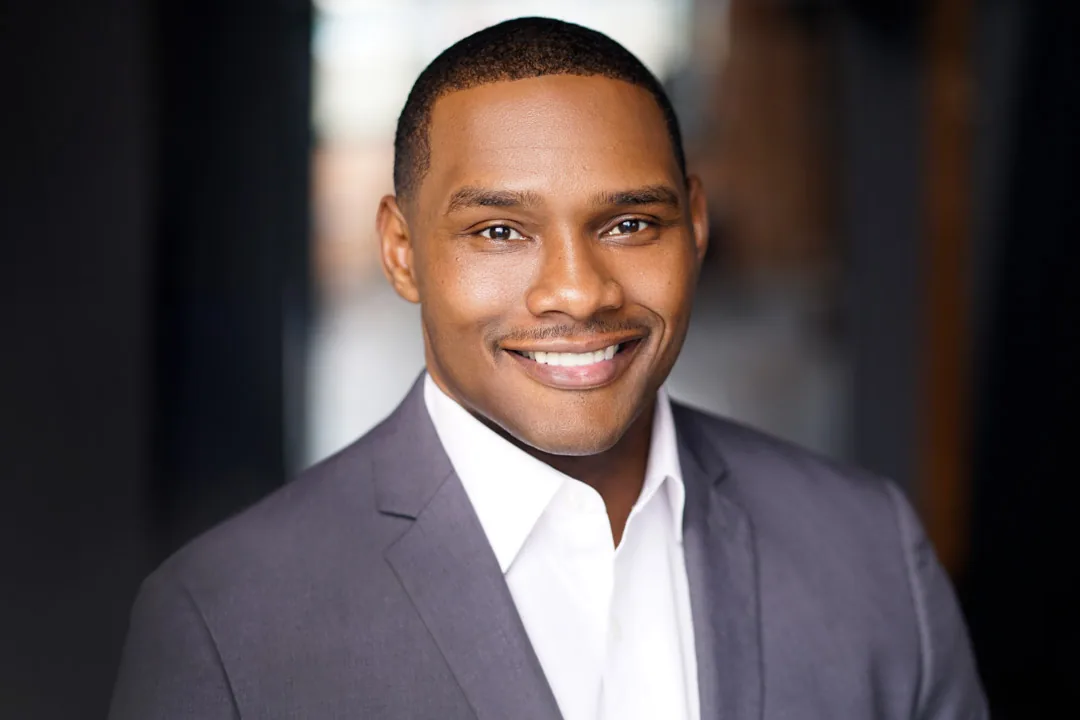
Most people show up to a headshot session having spent three hours picking an outfit and zero minutes sleeping. The result is a sharp blazer wrapped around a tired face. The camera reads tired faces faster than it reads tailoring.
This is the checklist Joshua Albanese gives clients walking into JA Headshots in Fort Myers. Built from 15,000+ sessions. Use it the day before, the morning of, and the hour before you sit down.
What should I do the day before my headshot session?
Sleep, water, and leave your face alone. Get 7 to 8 hours. Drink 64 to 80 ounces of water across the day. Don't book a facial, don't try a new skincare product, and don't get a haircut you've never had before. The camera amplifies anything new. Your face needs to look like the face people already know.
A few specifics that move the needle:
- Cut alcohol the night before. Two glasses of wine 12 hours out will show in the under-eye area.
- Skip salty takeout. Sodium retention shows up in the jawline next morning.
- No new haircut day-of, no major cut within 7 days. A fresh cut is recognizable as a fresh cut. You want hair that's settled.
- No new skincare. New retinol, new acid, new face mask. Not this week. Reactions are unpredictable.
How much water should I drink before a headshot?
64 to 80 ounces in the 24 hours before, with the bulk of it 12 to 24 hours out. The goal isn't to hydrate aggressively the morning of. It's to walk in with skin that's been hydrated for a full day cycle. Last-minute chugging just sends you to the bathroom mid-session.
Coffee is fine. Most clients function better caffeinated than uncaffeinated, and the camera doesn't care. What it does care about is dry skin texture, which is mostly a hydration story.
What should I bring to a headshot session?
Three outfits, a lint roller, blotting papers, and your phone on silent. Nothing else is required, and most studios provide everything else.
Here's the working list:
- Three full outfits on hangers. Two business, one slightly more relaxed if your industry allows it. Steamed the night before, not packed in a duffel bag.
- A lint roller. A roller catches more in 30 seconds than the photographer's edit catches in 30 minutes.
- Blotting papers, not powder. Powder builds up under studio light. Blotting papers absorb shine and add nothing.
- Whatever lipstick or balm you actually wear. A muted color you've worn 100 times beats a new statement color you bought yesterday.
- Your phone on silent. Notifications during your session pull your eyes off-camera and reset your expression.
- A small snack. Low blood sugar reads as a flat expression. A granola bar 90 minutes before is fine.
What not to bring: a partner who wants to direct, a coffee in a styrofoam cup, a new shirt with packaging creases. We say this with love. Bring those another day.
What should I wear for a headshot?
Solid, mid-tone colors with sleeves that fit at the shoulder. Black is fine, navy is better, deep jewel tones (forest, burgundy, slate) photograph beautifully. Avoid screaming white, hot logos, fine pinstripes, and busy patterns. Studio light reveals every fabric flaw, so iron or steam everything.
Sleeve fit and shoulder seam placement matter more than people think. A blazer whose shoulder seam falls a half-inch past your actual shoulder makes the entire frame look slouched. If your shirt or jacket needs to be pulled, tugged, or held in place to look right, it's the wrong garment.
Three quick checks before you walk out the door:
- Does the collar lie flat? Roll it down the night before so it has time to relax.
- Are the cuffs even? Quarter-inch peek of cuff under a jacket sleeve looks intentional.
- Are the buttons sitting where you expect? Pulling buttons across the chest read as ill-fitted, not muscular.
For a deeper read on fabric and color, our what to wear for headshots guide goes line by line. The 30-second version: solid, mid-tone, fits at the shoulder.
What about hair and makeup the morning of?
Wash hair the night before, not the morning of. Day-old hair has more body and holds shape better under studio light. For makeup, build slightly heavier than your daily routine. The camera adds about 20% softness to everything, so a normal-looking brow will read as faint, and a normal lip will read as colorless.
If you're booking a separate hair and makeup artist, schedule them to finish 30 minutes before your session start time. Touch-ups are easy. Reschedules are not.
For men, a clean shave the morning of, or a beard trimmed 24 hours prior. Same-day beard trims show edge marks. Same-day shaves give the cleanest line.
How do I get past camera stiffness?
Breathe out, blink twice, and look 6 inches behind the lens. Stiffness on camera is almost always a holding pattern. People tighten their jaw, lock their shoulders, and stop breathing through the nose. The fix is mechanical, not emotional.
Three things working photographers will direct you to do:
- Drop your shoulders an inch. Most people walk in with shoulders pulled toward their ears. The frame reads better with shoulders back and down.
- Tongue behind your top teeth. This relaxes the jaw and softens the lower face without making you look like you're posing.
- Look past the lens, not at it. Six to 12 inches behind the camera. Your eyes register present without the deer-in-headlights effect.
A working photographer should direct posing in real time. If your session is 60 minutes of "look natural" with no specific cues, you're being filmed, not directed. That's a different conversation, and our how to choose a headshot photographer post covers what to vet for.
What are the 10 things first-timers always forget?
In rough order of frequency, here's what gets skipped at JA Headshots and what it costs:
- Eating something within 90 minutes of arrival
- Steaming clothes instead of folding them in a tote
- Bringing a backup shirt color
- Removing the watch tan line check (yes, that shows)
- Applying chapstick before makeup
- Cleaning glasses lenses before sitting down
- Brushing the back of the hair, not just the front
- Checking earrings for symmetry (they sit unevenly more than people realize)
- Trimming nose hair (the camera angle catches it)
- Bringing a written list of where the photo will be used (LinkedIn, bar profile, company site, press)
That last one matters. Different uses crop differently. A LinkedIn thumbnail and a press headshot want the same source frame, but a website team page often crops square, and an Avvo profile crops tighter. Tell your photographer where the photo is going before you sit down.
Should I look at the back of camera during the session?
Yes, twice. Once 5 minutes in to confirm the wardrobe and lighting look right, and once at the 30-minute mark to spot anything that needs a tweak before the second outfit. Don't review every shot. It pulls you out of the moment and makes the next 20 frames stiffer.
A working photographer should welcome a back-of-camera check. If your photographer refuses to show you anything until the gallery delivers two weeks later, that's a yellow flag. You should leave the studio confident the photo exists.
What does a good headshot session actually feel like?
Quick, conversational, and a little physically demanding. A normal session at JA Headshots runs 45 to 75 minutes, with two to three outfit changes and 200 to 400 frames captured. You should leave a little tired in the cheekbones from holding small expressions.
You should NOT leave rushed, lectured at, or unsure what you got. A 30-minute "express" session with no frame review is a coin flip.
For more reading: LinkedIn's official tips for profile photos.
Frequently asked questions
How early should I arrive for a headshot session? 10 to 15 minutes. Enough time to use the restroom, settle in, and let your face relax from the drive. Earlier than 20 minutes means you're sitting in a waiting area getting more anxious, not less.
Can I bring someone with me? One person is fine, two is a crowd. Whoever comes should sit out of your eye line. Partners and parents have good intentions and bad timing on direction, so we ask them to let the photographer direct.
What if I get a breakout the day of? Don't pick at it. Show up. Skin retouching is part of every JA Headshots session at $150 per retouched image, and a small blemish is one of the easier fixes in the edit. Picking at it the morning of turns a 2-minute retouch into a real problem.
Should I get my eyebrows done before a headshot? Yes, 3 to 5 days before. Same-day brow appointments leave redness around the arch that the camera picks up. Five days gives the skin time to settle.
What if I hate having my photo taken? Tell the photographer in the first two minutes. A working photographer adjusts pacing, lighting, and direction for clients who don't love the camera. The session changes shape. We've shot for thousands of clients who said "I take terrible photos" and walked out happy.
Bring three outfits, get a full night of sleep, and the rest is on the photographer.