
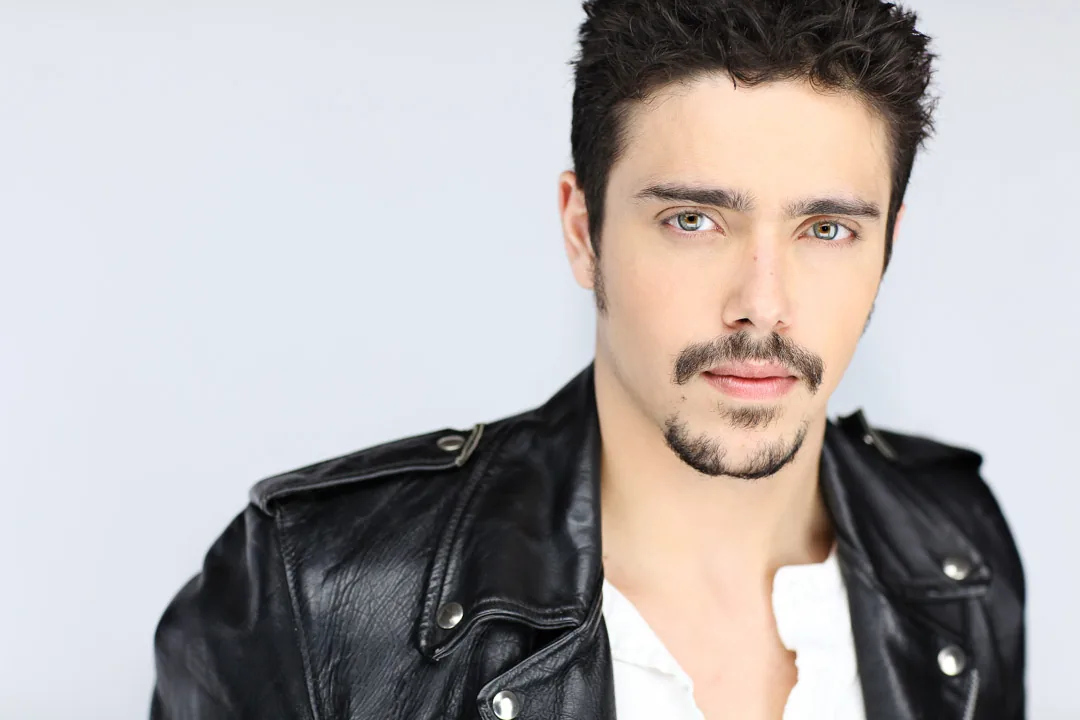
The website does not take the photo. A person with 10,000 hours of reps takes the photo, and most of what decides whether your headshot works happens in real time during a 60-minute session.
This is a working photographer's honest read on how to vet a headshot photographer. Written by Joshua Albanese, 18 years in the business across two cities. The questions that matter, the answers you should hear, and the red flags that should make you book somewhere else (even at studios that compete with JA Headshots).
What's the first question I should ask a headshot photographer?
"How many individual headshot sessions have you shot in the last 12 months?" If the answer is under 50, that's a generalist who shoots headshots when they come in. If the answer is 200 or more, that's a specialist whose pacing, direction, and lighting are dialed because they do this every week.
A wedding photographer with a great Instagram is not a headshot photographer. A family portrait studio that "also does headshots" is not a headshot studio. Both can produce a usable file. Neither produces the file that earns the call.
How do I evaluate a headshot photographer's portfolio?
Look for portfolio depth, not portfolio polish. A real headshot specialist's portfolio shows hundreds of different faces. A generalist's portfolio shows the same eight faces from five angles.
Three checks when scanning a portfolio:
- Count the unique faces. 50 different people = working studio. Five people in 50 outfits = styled showcase.
- Look at subject diversity. Different ages, skin tones, body types, professions. A studio that only shoots one demographic will struggle when you don't fit that profile.
- Check lighting consistency. Real studios run consistent lighting across thousands of clients. Shifting lighting across shots means the photographer is improvising every time.
Depth beats sparkle. Someone who has shot 1,000 LinkedIn portraits will out-deliver someone with 50 cinematic portraits, and the second photographer charges more.
What should I expect to pay for a professional headshot?
A working studio in a mid-sized US market charges $400 to $700 for the session and $100 to $200 per retouched image. Most professionals walk out at $700 to $1,200 for two to four finished images. Under $200 total is AI, an apprentice, or a loss leader. Over $2,000 for a single individual session is paying for marketing budget, not your face.
JA Headshots sits in the middle: $500 session, $150 per image, $1,500+ for teams, $5,000 for a full buyout. Published on the pricing page so nobody schedules a sales call. For more, see professional headshot cost.
How long should a real headshot session take?
45 to 90 minutes for an individual. Less than 30 minutes is an "express" session that won't have time for outfit changes or a real warm-up. More than two hours, and you're either booking an executive personal-brand package or paying for retouching time disguised as session time.
The session should include:
- A 5-to-10-minute warm-up to settle expression and check lighting
- Two to three outfit changes, each with its own setup
- 200 to 400 frames captured
- A back-of-camera review at the midpoint
- Time at the end to flag favorites before you leave
If you're being moved through in 20 minutes with no review and no warm-up, you're getting volume work, not a headshot session. That's fine for a corporate annual photo day, but it's not what most professionals need.
Is retouching included or extra?
Ask explicitly. Some studios bake retouching into the session fee, some charge per image, some charge by the hour. None is wrong. The wrong answer is "we'll figure it out after." That means the bill grows.
JA Headshots charges $150 per retouched image as a published line item. You pick favorites from the gallery and pay for what you want finished. The $5,000 full buyout covers every image with full commercial license.
Warning signs on retouching:
- The studio won't quote retouching cost upfront
- Suspiciously low session fee and "we'll discuss editing after"
- A "premium retouch" tier that's 3x standard
- Heavy filtering in the portfolio (plastic versions of people)
Who owns my headshot files?
You should own a non-exclusive use license for the retouched images on every platform you'll use them. The photographer typically retains copyright for portfolio purposes. That's industry-standard, and it's fine.
What's NOT fine:
- A contract that limits where you can use the image (LinkedIn yes, your own website no)
- A contract that requires re-licensing for "commercial use" without defining the line
- A studio that retains the raw files and refuses to release them even at extra cost
- A studio that watermarks the gallery preview but won't tell you the unwatermarked price upfront
Read the contract. The five lines that govern ownership are usually buried in paragraph six. If the studio can't explain the ownership terms in 30 seconds, that's a red flag.
Does the photographer direct posing in real time?
This is the single biggest variable that separates a working headshot photographer from a hobbyist with a Sony camera. A working photographer talks the entire session. They direct chin angle, shoulder rotation, where your eyes land, when to breathe. They name what just worked and ask for it again.
A hobbyist takes 200 photos and says "look natural." The gallery is 200 versions of the same uncertain face.
Ask: "How much do you direct posing?" The right answer is "constantly, almost every frame."
What does a real headshot studio look like?
A real headshot studio has a painted seamless backdrop, studio strobes or large LED panels, a standing-height shooting area, and a styling mirror near the camera. JA Headshots at the Fort Myers studio is purpose-built for headshots.
What you don't want:
- "Natural light only" for headshots (window sun is unpredictable)
- A coffee shop or coworking space rented by the hour
- A home garage with tarps as backdrop
- Outdoor-only when you need a controlled studio shoot
Outdoor lifestyle headshots are their own category. The photographer should still control light with reflectors. "We'll walk around downtown" is not a controlled session.
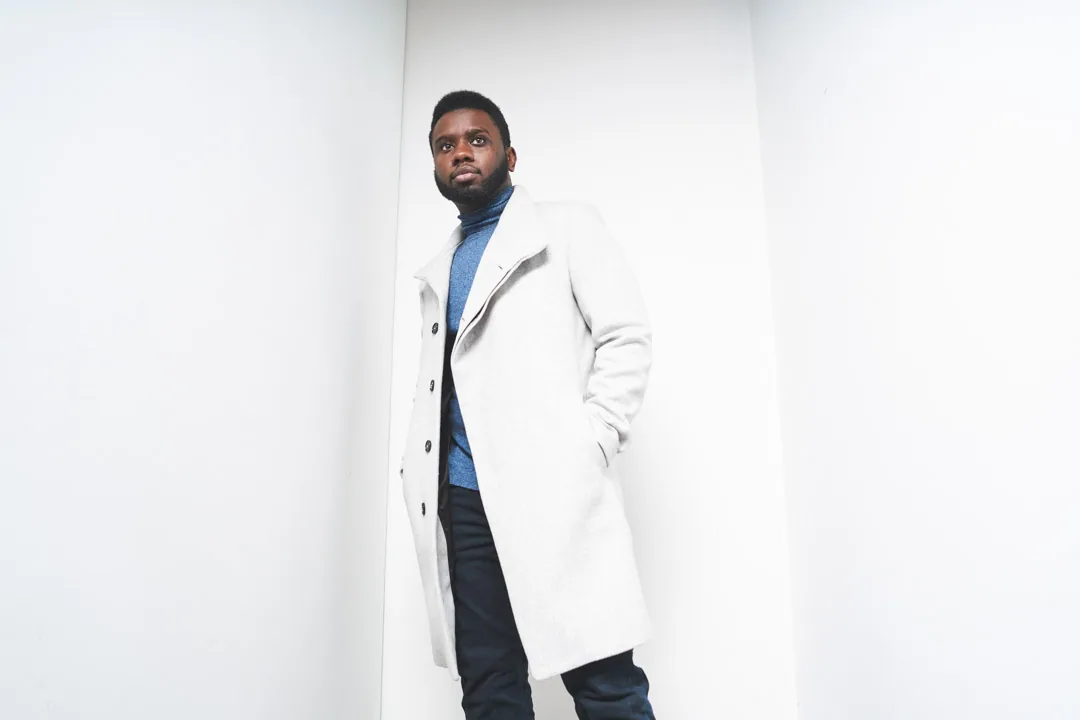
What are the four red flags?
After 18 years and 15,000+ sessions, four warning signs reliably predict a bad headshot outcome.
- Portfolio is all the same model. A "headshot specialist" who shows the same five 28-year-olds in different outfits is selling a styled brand shoot. Their lighting was set for those people.
- No upfront price. A studio that requires a "discovery call" for a number is selling you, not photographing you. Working studios publish rates.
- Packages inflate fast. $200 becomes $400 with retouching, $600 with the second outfit, $900 with digital files, $1,200 with "rush delivery." Walk.
- They badmouth the competition. Confident studios don't trash the studio across town. We recommend other Fort Myers studios when our calendar is full.
Should I get on a consultation call before booking?
Only if you have a specific question. Most professionals don't need a 30-minute consultation to book a $500 session. They need a published price, a portfolio, an opening, and a contract. The consultation-call gauntlet exists at studios that need to sell you on the price.
Email or text three questions:
- "What's your earliest opening?"
- "How much for X retouched images?"
- "Where do I sign?"
If those come back inside 24 hours, you've found a working studio. A Calendly link to a sales call means you've found a sales operation that takes photos as a side effect.
What about Yelp, Google, and review sites?
Read the 3-star reviews, not the 5-star ones. 5-star reviews say "loved it." 3-star reviews say "loved the photographer, but my retouching took 4 weeks." That's the actionable information. A studio with mostly 5s and a couple of honest 3s is healthier than a studio with 200 five-stars and zero anything else.
The Professional Photographers of America maintains a credentialing program that signals baseline competence.
Frequently asked questions
How far in advance should I book? 2 to 4 weeks for individuals, 6 to 8 weeks for team sessions in busy seasons. Same-week openings exist on cancellations, but don't plan around finding one.
Should I pick a photographer in my city or travel for a better one? City. Travel costs rarely beat the photographer 20 minutes from your office. Most mid-sized US markets have at least one working headshot studio that can do the job.
What if my team is spread across multiple cities? Hire a photographer who travels for the day, or break it into regional batches. JA Headshots travels across Southwest Florida for team shoots starting at $1,500.
How do I find out if a photographer is using AI in their gallery? Ask, in writing. "Do you use AI generation or AI compositing on the final images?" Skin smoothing and frequency separation are not AI. Generative fill on the face IS. The line matters. We covered this in detail in our truth about AI headshots post.
What if I book a session and hate the gallery? Most working studios offer a re-shoot policy if you flag specific issues within a defined window (usually 30 days). Read the contract. JA Headshots will re-shoot at no charge if the original session has a clear lighting or technical issue we can name.
If you're outside Southwest Florida, the questions in this post still apply. Find a working headshot studio in your city, ask the four questions, vet the portfolio for depth, and book the real thing.