
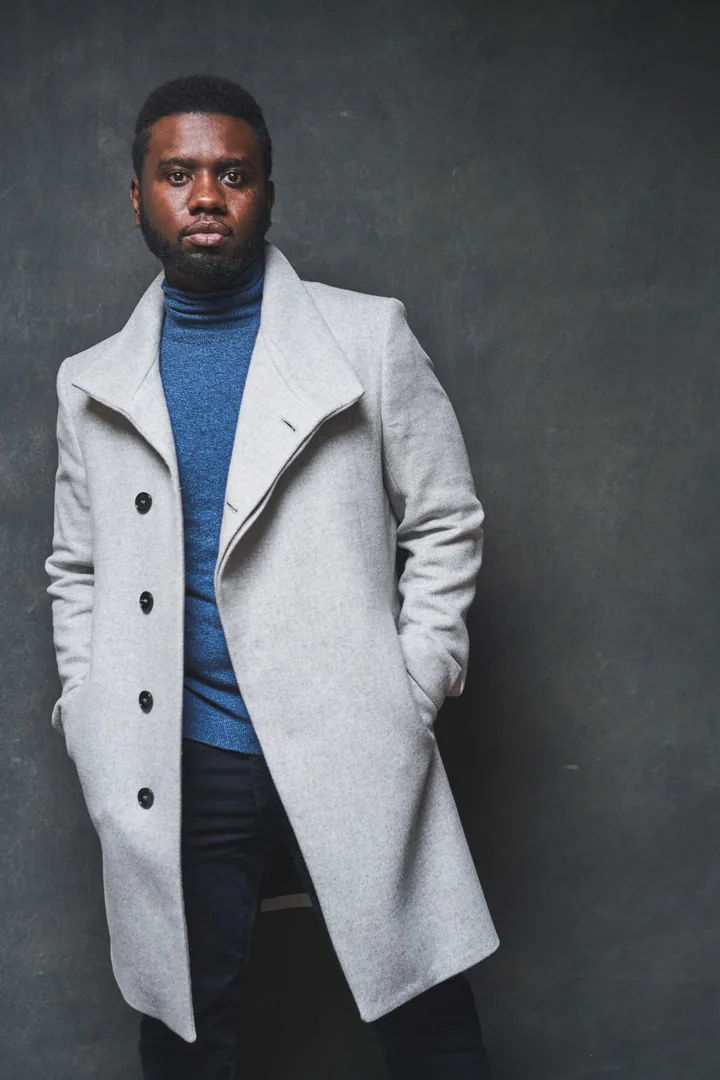
Convinced you're not photogenic? Here is what is actually going on, and how to look good in photos anyway.
If you have ever untagged yourself from a group photo or quietly deleted every selfie in a row, this one is for you. The belief that you are just not photogenic is one of the most common things I hear, and it is almost never true. What is true is that most people have never been shown what to do in front of a lens. If you would rather have the entire thing guided so you never have to figure it out, the guided photography services at JA Headshots in Fort Myers are built for exactly that. This article walks through what is really going on and what you can control.
I'm Joshua Albanese, and I've photographed more than 15,000 professionals over 18 years, first in Chicago and now here in Southwest Florida. I built my whole approach around people who say they are not photogenic, because that is who walks through my door most often. After all those sessions, I can tell you plainly: the problem is rarely the face. It is nerves and no direction, and both of those are fixable.
You are more photogenic than you think
Here is the quiet reason so many people believe they photograph badly. You see your face in the mirror every single day, moving and flipped left to right, and your brain has learned to love that exact version. A photo shows you the un-flipped face, frozen at one hundredth of a second, often caught mid-blink or mid-word. That single frame can feel wrong even when there is nothing wrong with it. You are comparing a still photograph to a lifetime of moving reflections, and the still one loses on familiarity alone.
The other half of it is math. When someone snaps two casual photos of you and one is awkward, that awkward one becomes your evidence. You never see the fifty good frames that were never taken. Photograph the most striking person you know only twice, catch them mid-sentence, and they will look off too. This is why a real session takes many frames on purpose. More frames plus a little direction is the whole trick, and neither one has anything to do with your bone structure.
What is really happening in that awkward photo
When a lens points at you and you freeze, a few small things happen almost at once. Your jaw tightens. Your shoulders creep up toward your ears. Your chin lifts and pulls back, because leaning away from the camera feels safer. Your eyes go a little blank while your brain is busy asking what your face is supposed to be doing. None of that is your face failing you. It is a nervous system doing exactly what nervous systems do when they feel watched.
That is genuinely good news, because tension is something you can release and direction is something a photographer can give. The people who look effortless in photos are not a different species. They are relaxed, and usually someone is telling them where to put their chin and when to breathe. Take that same guidance and hand it to a nervous person, and the nervous person photographs well too. I watch it happen in nearly every session.
Relax your jaw and drop your shoulders
Tension is the single biggest thing standing between you and a photo you like, and it collects in two places the camera reads instantly: your jaw and your shoulders. So before anything else, unclench. Let your teeth come apart behind your lips. Let your tongue rest flat instead of pressing against the roof of your mouth. It feels like nothing is happening, and the difference in the frame is real.
Then find your shoulders. Most people hold them up near their ears without noticing, which shortens the neck and adds strain to the whole face. Take one slow breath and let them fall on the exhale. A tiny roll back and down opens up your posture and makes you look calm and grounded rather than braced. You are not posing here. You are just letting go of a clench you did not know you were holding.
Chin forward and slightly down
If you take one physical adjustment from this whole article, make it this one. The instinct in front of a camera is to lean back and lift your chin, which is precisely the move that shortens your neck and flattens your features. The fix is the opposite and it feels a little strange: bring your forehead slightly toward the lens and drop your chin just a touch. Think of gently reaching your face forward, not up.
That small forward-and-down motion does a surprising amount of work. It defines your jawline, it puts your eyes at the center of the frame where they belong, and it removes the flattened look that trips up so many casual photos. It feels awkward while you are doing it and looks completely natural in the picture, which is true of a lot of good photography. You do not have to nail it alone either. In a guided session I walk you into the exact position, so there is no guessing in a mirror beforehand.
Breathe, then let a small real expression happen
A held smile is what stiff looks like. When you lock a big say-cheese grin in place and wait, the muscles fatigue within seconds and the whole thing curdles into something tense around the eyes. The better path is a small, genuine expression, and the reliable way to reach one is to breathe first. Take a slow breath in, let it out, and let your face soften on the exhale before anything else.
Then, instead of pushing your mouth into a shape, put a real thought behind your eyes a beat before the frame. Picture someone you actually like walking into the room. Recall something that quietly makes you laugh. A genuine expression starts in the eyes and lets the mouth follow, and it reads as warm and trustworthy in a way a forced grin never does. This is also the honest difference between a real headshot and a phone snap, which I break down further in professional headshot versus selfie. You do not need to perform. You need one true moment, and there are many small ways to find it.
Choose a photographer who actually directs you
Everything above is real, and here is the honest part: you should not have to run a checklist in your head while also trying to look natural. That is a lot to carry, and carrying it is what makes people look stiff in the first place. This is the entire reason direction matters more than any tip on this page. The right photographer takes the whole burden of what-do-I-do off your shoulders and hands you one simple instruction at a time.
When you look for someone, look for a session that is guided rather than one where you are placed on a mark and told to smile. Ask whether they direct expression and posture, whether they give feedback as they go, and whether the session is rushed. My own approach is built around this, because the people I photograph most often are the ones who arrive certain they are not photogenic. I direct you into a relaxed posture and a real expression, tell you what is working the entire way, and never put a clock on your time. If you want to arrive ready, my guide on how to prepare for a headshot covers the practical side so the day itself stays calm.
The questions I hear most from people who are sure the camera is not on their side, answered in plain language.
Ready to see yourself in a photo you actually like?
You do not have to become a person who loves the camera to walk out with a photo you're proud of. You just need a process that gets a good picture out of someone who doesn't, and that is a much smaller and more achievable thing. If you're ready, explore guided headshot sessions with JA Headshots in Fort Myers, built for people who quietly dread having their picture taken. Sessions are directed start to finish, retouching is included, and there's no clock on your time. Call (239) 401-6999 to book.
This article was written by Joshua Albanese, founder and lead photographer at JA Headshots in Fort Myers. He founded a top-10 US headshot studio in Chicago, photographed more than 15,000 professionals over 18 years, and relocated to Southwest Florida in 2024. His psychology-driven approach is built for people who are convinced they are not photogenic.
Frequently asked questions
Why do I look bad in photos but fine in the mirror?
The mirror shows you a live, moving, flipped version of your face that your brain has spent years learning to like. A photo freezes one hundredth of a second of that, often mid-blink or mid-word, and shows it un-flipped. That single frozen frame feels wrong even when nothing is actually wrong. The fix is not a better face, it is more frames and a little direction, so the good ones get caught instead of the awkward ones. In a real session I take many frames on purpose for exactly this reason.
Is being photogenic something you are born with?
No. What looks like a natural gift in front of the camera is almost always a learned comfort, and comfort can be handed to you by direction instead. People who photograph well are usually just relaxed and being told what to do with their chin, their shoulders, and their expression. Take a nervous person and direct them the same way, and they photograph well too. It is a process, not a trait, which is good news if you have always believed you were the exception.
What is the one thing that fixes most bad headshots?
Bringing your forehead slightly toward the camera and dropping your chin a touch. Most people lean back and lift their chin when a lens points at them, which shortens the neck and flattens the face. The small forward-and-down adjustment defines your jaw and makes your eyes the center of the frame. It feels strange when you do it and looks completely natural in the photo. A photographer who directs will walk you into it so you never have to guess.
How do I relax in front of the camera if I hate it?
Start by unclenching your jaw and letting your shoulders drop on an exhale, because tension lives in both and the camera reads it instantly. Then stop trying to hold a pose or a smile, since a held expression is what looks stiff. The bigger fix is to not carry the job alone. In a guided session you are told what to do the whole way, so there is nothing to figure out and nothing to perform. Most people relax within the first few minutes once they realize that.
Do I need to smile a certain way for a good headshot?
You do not need a big, held, say-cheese smile. Those tend to read as forced and tire the face out fast. A small, genuine expression that reaches your eyes almost always looks better and more trustworthy. The reliable way to get there is a real thought or a quick laugh a beat before the frame, not muscling your mouth into a shape. A good photographer will talk you into that real moment rather than counting down to a frozen one.
Guided headshot sessions in Fort Myers, built for people who dislike the camera. You get directed the whole way, so looking good is my job, not yours.
Learn more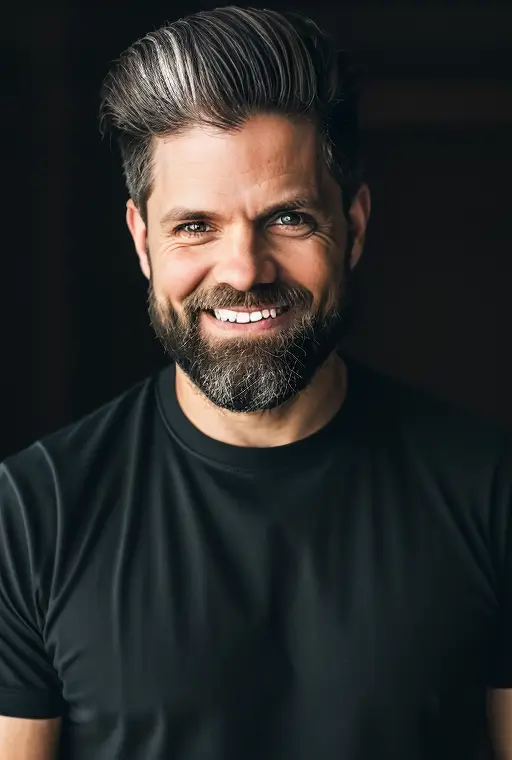
Written by
Joshua Albanese
Photographer, JA Headshots
Joshua Albanese founded one of the top-10 rated headshot studios in the United States in Chicago in 2007. Over 18 years he photographed more than 15,000 professionals and produced over 3 million images for clients ranging from Fortune 500 executives to first-year associates. In 2024 he relocated to Fort Myers and opened a dedicated portrait studio at 1325 Canterbury Dr. His psychology-driven approach is built for people who say they aren't photogenic.