
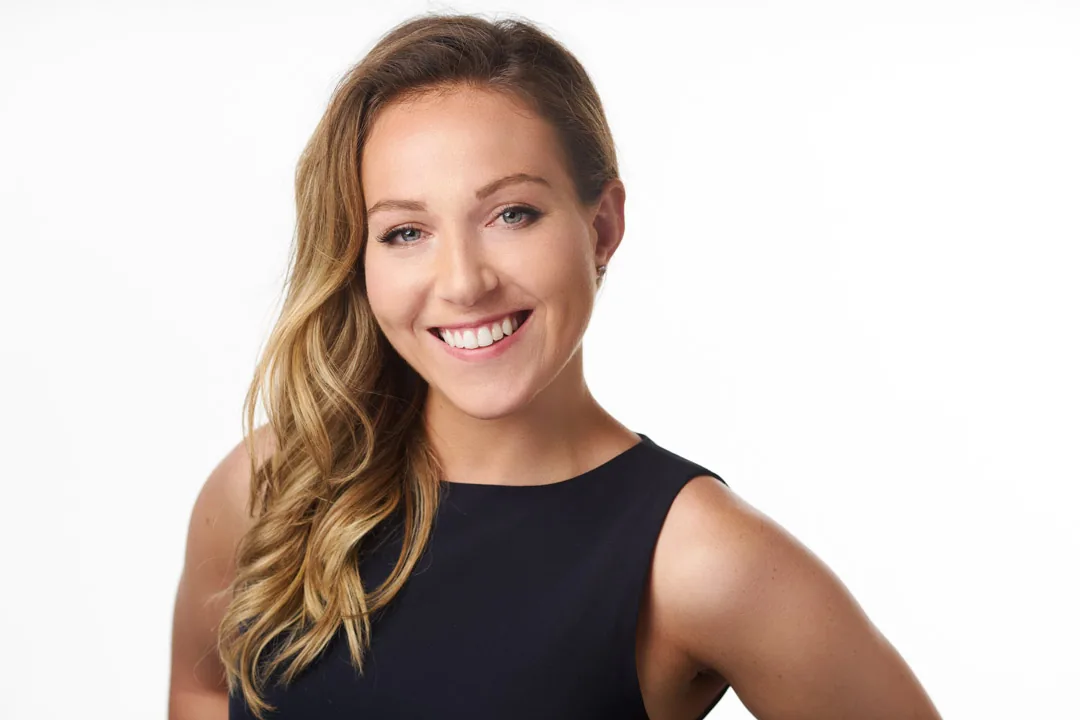
The right cadence is "every 2 to 4 years," and that answer is incomplete. The cadence depends on where the photo lives. Avvo and Healthgrades aren't LinkedIn. A firm bio isn't a press release. The shelf life of a single photo is shorter on some surfaces than others, and most professionals have one photo trying to do six jobs.
Joshua Albanese has photographed 15,000+ professionals over 18 years and re-shot many of them across multiple cycles. JA Headshots tracks how long each use case actually rewards a single photo. This post is a use-case map, not a single calendar rule.
What's the right baseline cadence?
Every 2 to 4 years is the working baseline across most use cases. Anything past 4 years on the same photo starts hurting you on at least one of the surfaces below. Past 6 years, the photo is hurting you on most of them. Past 10, you're a different person and the photo lies.
That's the floor. The trigger events below pull the refresh earlier. The use cases below stretch or shorten the cadence depending on what the photo is asked to do.
What events should trigger a refresh regardless of cadence?
Six events should send you to a studio inside 60 days, no matter how recent the last photo is.
- A job change, promotion, or firm change. New role, new photo. Recruiters, clients, and referral sources are about to look at you fresh.
- A weight change of 15 pounds or more. Either direction. Face structure shifts.
- A major hair change. Going gray, going blonde, big haircut, growing or shaving a beard.
- Aging more than 5 years past the last photo. Skin and bone structure have moved.
- A medical or life event that changed your appearance. Treatment recovery, surgery, post-pregnancy.
- You're entering a new visibility cycle. Press tour, board appointment, expert-witness work, public speaking.
How does the cadence change by use case?
Different surfaces have different shelf lives. Here's the working map.
LinkedIn (2-4 years, faster if job-searching)
LinkedIn rewards freshness. The algorithm surfaces profile updates to your network, and recruiters notice. We have a separate post on LinkedIn refresh cadence that goes deeper.
Avvo and other lawyer directories (3-4 years)
Avvo, Super Lawyers, the state bar profile. Clients searching for an attorney look at the photo and decide whether to call. The shelf life is slightly longer than LinkedIn because the bar for "current" is forgiving. But past 4 years, the photo starts hurting your call rate. The ABA Journal has covered the rising weight of online presence in attorney client acquisition. Photo currency matters.
Healthgrades and physician directories (3-4 years)
Same logic as Avvo. Patients are picking a physician partly off the photo. They want to recognize you when they walk into the exam room. Healthgrades, Doctor.com, the hospital staff page, and the practice site all earn a refresh on the same cycle.
Firm bio and company website (3-5 years)
Firm bios live longer because the audience is mostly internal stakeholders, partners, and referral sources who already know your face. Past 5 years, a stranger landing on the bio for the first time is forming an impression on a stale photo. The 3-to-5 range is the working window.
Press releases and earned media (1-2 years per active cycle)
Press is the only surface that rewards an aggressive cadence. A reporter wants a recent photo. A speaker bureau wants a current one. If you're actively in a press cycle (book tour, IPO, board appointment, expert commentary), refresh inside 12 months. The photo will end up on five publications, and they all want different aspect ratios.
Real estate agent profiles (2-3 years)
Realtors live by the photo. Open houses, yard signs, mailers. Buyers want to recognize you at the showing. NAR and major brokerages publish agent branding guidance that emphasizes recency. The 2-to-3 year window is the floor for active agents.
Speaker bureau and conference profile (1-2 years)
Conference organizers want a current photo for the program, the website, the screen behind the stage. If you're actively speaking, this surface refreshes faster than any other.
Internal directory and Slack avatar (5+ years)
Internal-only photos can live longer because the audience already knows you. Past 5 years, a new hire scrolling the directory might have a moment of "wait, that's the same person?" That's about as bad as it gets internally.
What's the "stranger test" for any photo?
Run it on every photo, on every surface, once a quarter.
- Pick the photo on the surface in question.
- Imagine a stranger walking into your office, your courtroom, your exam room, or your open-house showing for the first time.
- Ask: would they recognize you from this photo with 80% confidence?
- If the answer is no, refresh.
The stranger test is the only test that matters. The photo's job is recognition. If the stranger fails, the photo failed.
Why does an outdated headshot quietly cost you?
Three reasons. First, the photo earns trust at first impression and loses it at second. The mismatch between photo and in-person you costs trust, and trust is the currency that earns the next call. Second, an outdated photo signals you don't manage your professional brand. At the partner, surgeon, or executive level, that's a judgment problem, not a vanity one. Third, recent research summarized by Forbes on first-impression formation shows that people form opinions about competence and trustworthiness within 100 milliseconds of seeing a face. The photo is doing that 100-millisecond job whether you've updated it or not.
How much does a refresh actually cost?
Solo studio sessions in mid-tier US markets run $400-$800 plus $100-$200 per retouched image. Most professionals end up at $700-$1,200 for two to four delivered images.
JA Headshots' rates: $500 session plus $150 per retouched image. Team sessions start at $1,500. Full buyout (every image from the session) is $5,000. A $1,000 session that holds for three years is $333 per year. Cheap photos refreshed often add up to more cost and less impact than one good session every 2 to 4 years.
Should I refresh every photo at the same time?
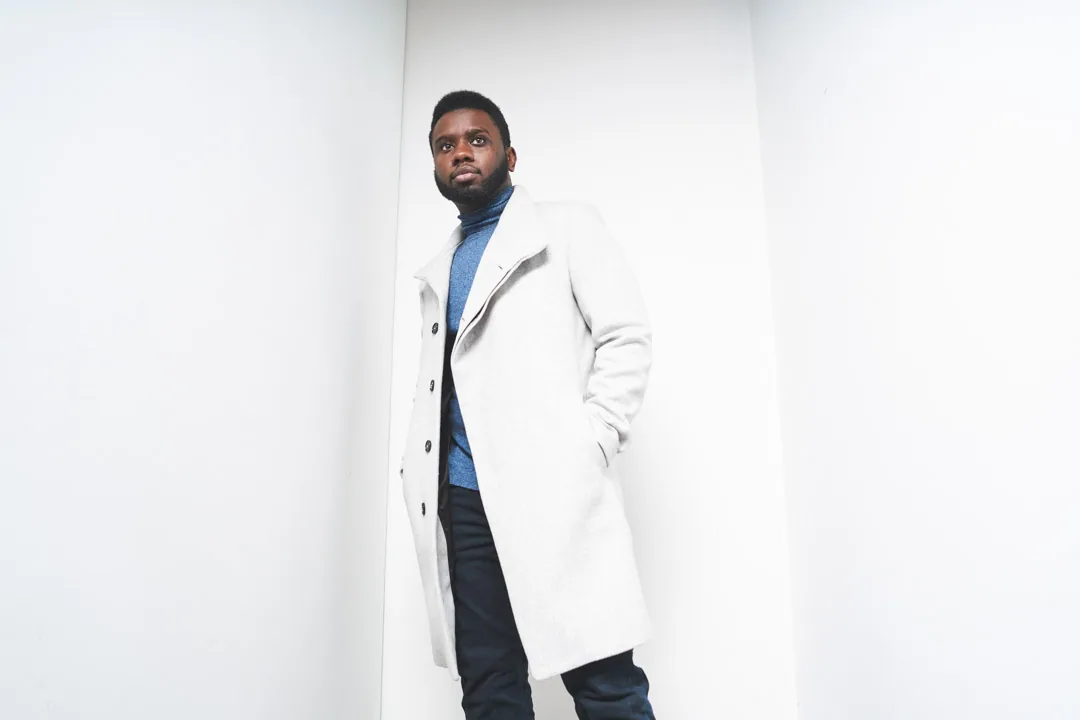
Yes. One studio session can deliver three crops: tight for LinkedIn, wider for the firm bio, half-body for press. The same image rendered three ways saves you reshoots and keeps your visual identity consistent across surfaces. A photographer who delivers only one crop at one aspect ratio is short-changing you.
Frequently asked questions
Can I update the same photo with a filter and call it refreshed? No. A filter doesn't fix age, weight, hair, expression, or wardrobe. The over-filtered photo is its own red flag.
Is it worth paying for a professional photo if I'm refreshing every 2 to 4 years? Yes. Amortized over 3 years, a $1,000 session is $333 per year. The trust and recognition you keep across LinkedIn, Avvo, Healthgrades, your firm bio, press, and the website is worth multiples of that.
What if my last session went badly and I don't want to do it again? Find a working headshot photographer who coaches the first 10 minutes until your face relaxes. About 30% of new clients tell us their last session was unpleasant. A coached session is a different experience.
Should the photo on every platform be identical, or different? Same source image, different crops. LinkedIn likes a tight crop. Firm bios like a slightly wider one. Press wants half-body. One session, three deliverables. That's the standard at any studio worth its rate card.
How do I know my photo is "established" rather than "outdated"? Run the stranger test above. If a stranger meeting you for the first time can recognize you from the photo with 80% confidence, the photo is established. If they can't, it's outdated.
You'll get wardrobe coaching, a coached studio session, and a gallery delivered at multiple crops so you can refresh every surface (LinkedIn, Avvo, Healthgrades, firm bio, press) from one session.