
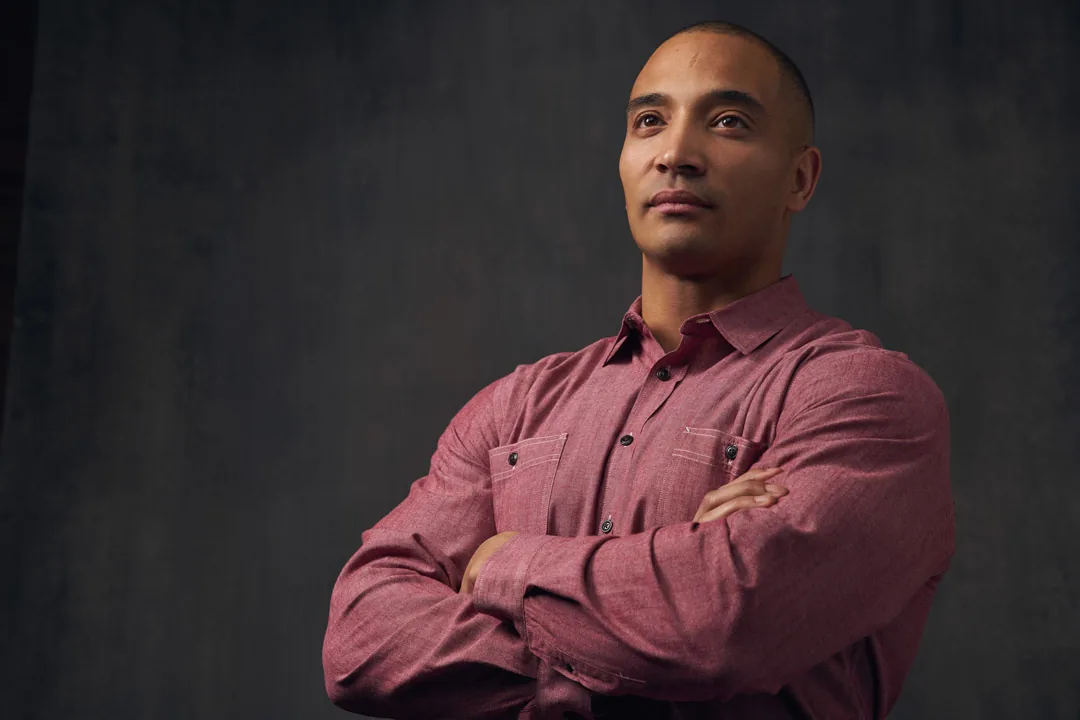
Thinking about an AI headshot app? Here's my honest take on when they're worth it and when they aren't.
Are AI headshots worth it? For a low-stakes profile where nobody who sees it will ever meet you, yes, they're cheap and fast and good enough. For anything where the photo has to look like you and earn a stranger's trust, they usually aren't. I'm Joshua Albanese, I've photographed more than 15,000 professionals over 18 years, and I want to give you the fair version of this answer, not the one that pretends AI is a scam. If you'd rather see the two put head to head, my honest breakdown of AI headshots vs. professional headshots lays it out feature by feature.
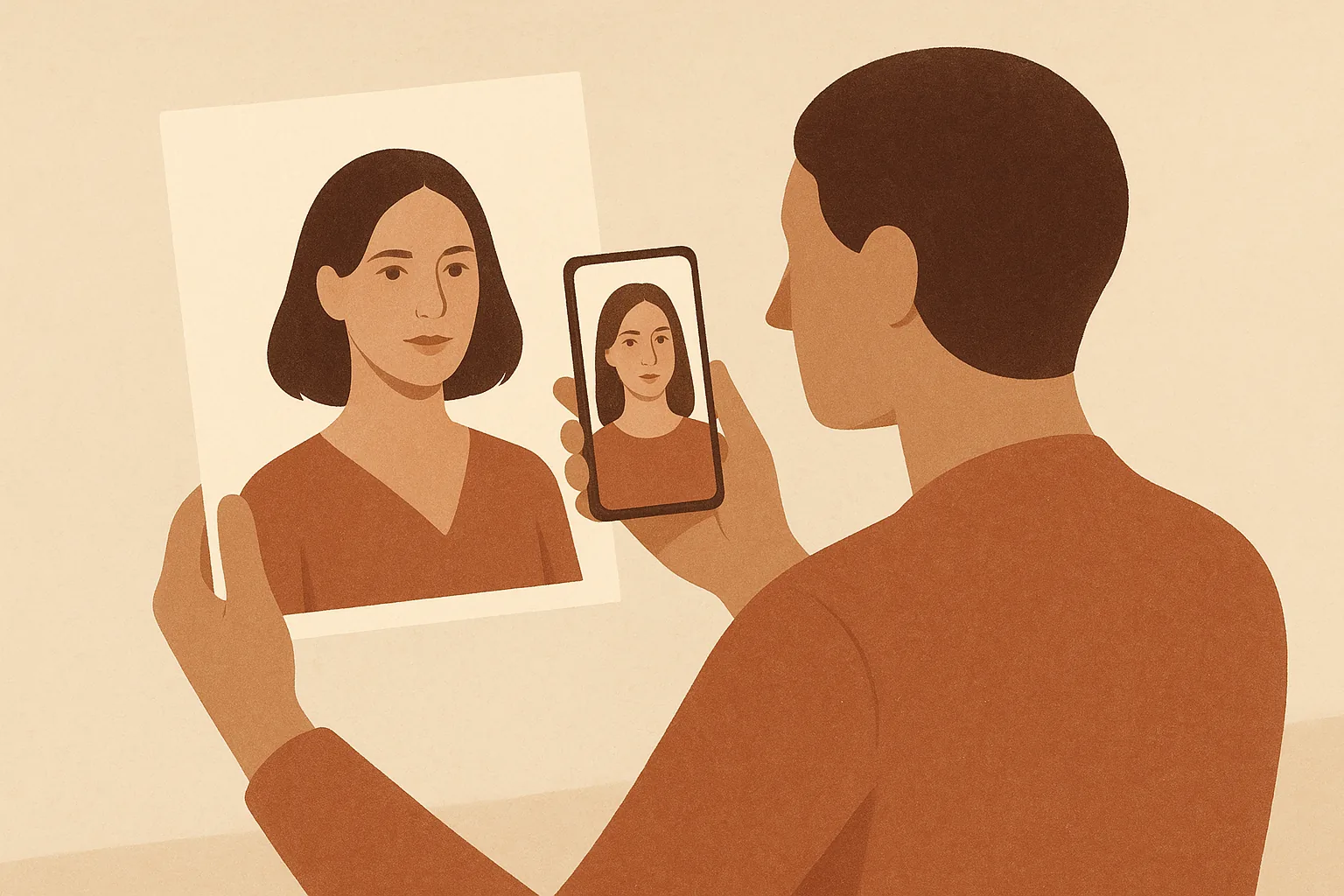
When are AI headshots actually worth it?
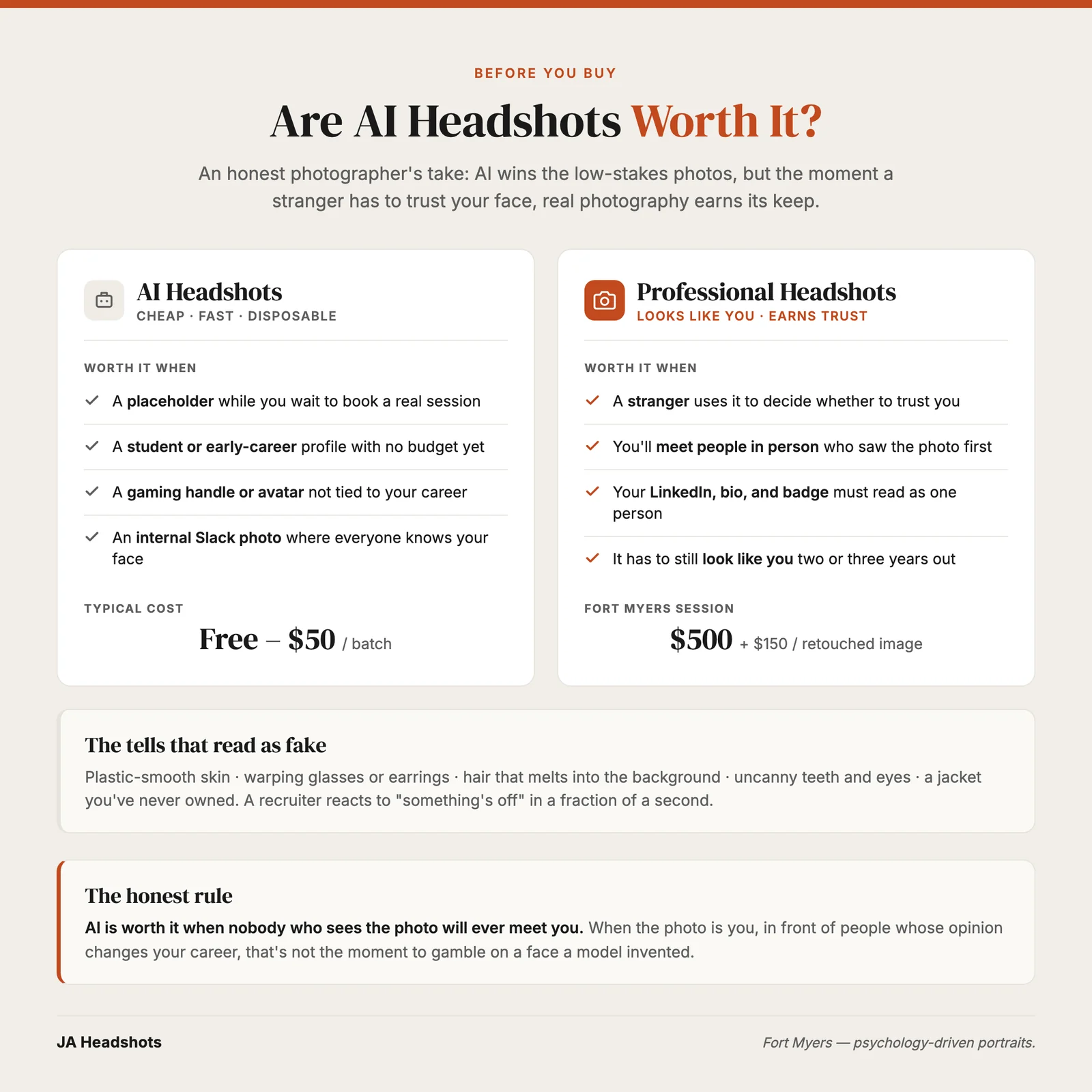
AI headshots are worth it when the photo is low-stakes and nobody viewing it will ever meet you in person. That's the honest line I draw, and I draw it as someone whose whole business is the alternative.
I've watched these tools improve fast over the last couple of years, and the technology is genuinely impressive. Google's own research on generative image models, published through DeepMind, shows how quickly synthetic portraits have closed the gap on realism. For a lot of casual uses, they've closed it enough.
So here's where I'd tell a friend to save their money and just use AI:
- A placeholder while you wait for a real session to get booked.
- A student or early-career profile where there's no budget yet and the photo isn't doing heavy lifting.
- A gaming handle, a fantasy avatar, or any account that isn't tied to your actual career.
- An internal Slack or intranet photo where everyone already knows your face.
- A personal social account that has nothing to do with how strangers judge your competence.
In every one of those cases, the photo is disposable. Getting it "close enough" is the whole goal, and forty dollars for a batch of options beats a real session you don't need yet. I'm not going to pretend otherwise.
Where do AI headshots fall short?
AI headshots fall short anywhere the photo has to look exactly like you and build trust with someone who hasn't met you. That's not a marketing line, it's what the tools genuinely still get wrong.
The core problem is that AI doesn't photograph you. It looks at the selfies you upload, learns a rough idea of your face, and generates a plausible version of it. Plausible is not the same as accurate. The output tends to look like a slightly better-looking relative of yours, and your brain clocks the difference even when you can't name it.
I see the same recurring tells when clients show me the AI images they tried first:
- Skin that's been smoothed until it looks like plastic, with no real texture.
- Glasses, earrings, or collars that subtly warp or melt at the edges.
- Hair that blends into the background instead of having a clean edge.
- Teeth and eyes that sit in the uncanny zone, almost right but not quite.
- A jacket, shirt, or background you've never owned and can't reproduce.
Any one of these can be small. The trouble is that a recruiter scanning profiles processes a face in a fraction of a second and reacts to "something's off" before they can articulate why. On LinkedIn, that instant reaction is the entire job of the photo, and an AI tell quietly undercuts it.
Do AI headshots actually look like you?
Not reliably, and that's the catch that surprises people. The image looks like a version of you rather than the real you, because it's generated from a model's guess, not a lens pointed at your face.
The mismatch is well documented in how these systems work. Because the model averages across the faces it was trained on and the selfies you feed it, features drift between generations, which is why your ten AI images can look like ten slightly different people. Consistency is exactly what a professional headshot is supposed to give you.
Think about where your face needs to match. Your LinkedIn photo, your company bio, your email signature, and your name badge at a conference all need to read as the same person. If a client meets you after seeing an AI image, the gap between the photo and the real you becomes the first thing they notice, and not in a good way. Pick real photography anytime the image has to survive being compared to the actual you.
What does an AI headshot really cost you?
The sticker price is the easy part, and it's genuinely low. Most AI headshot apps run from free to somewhere around forty or fifty dollars for a batch of generated shots, and they turn it around in minutes.
A real session costs more because a real person is doing real work. At my individual headshot pricing in Fort Myers, it's a flat $500 session fee plus $150 per fully retouched image you choose to keep, with unlimited time and no clock on you. That's a real gap, and I'm not going to wave it away.
But price isn't the only cost. The hidden cost of an AI headshot shows up later: the recruiter who scrolls past because something looked artificial, the client who feels a small flicker of distrust when they meet you, the day you need a matching photo and can't regenerate the same face. Cheap is only cheap if the photo does its job. When the photo is carrying your reputation, the forty dollars you saved is the most expensive part.
So should you use AI, or book a real session?
Use whichever one matches the stakes, and be honest with yourself about what those stakes actually are. That's the whole decision, and I'd rather you get it right than just hire me.
Ask yourself three questions. Will a stranger use this photo to decide whether to trust me? Will I ever be in the room with someone who saw it first? Does it need to look like me two or three years from now? If you answer no to all three, an AI headshot is a fine, thrifty choice, and you have my blessing. If you answer yes to any of them, a real photograph is worth the difference.
The reason I still recommend real photography for anything professional isn't that AI is a scam. It's that a session solves the exact problems AI can't. A person directs your expression so it reads natural, controls the light so your face looks like your face, and hands you a matched, retouched set you can use everywhere. That's the same reason distributed teams book virtual headshots for remote staff instead of asking everyone to generate their own, and it's the thread running through what recruiters actually see when they spot an AI headshot on a profile.
The reframe I give everyone: AI is a tool with a real, narrow job. Use it for the low-stakes stuff and save your money. When the photo is you, in front of people whose opinion changes your career, that's not the moment to gamble on a face a model invented.
The questions I hear most from people weighing an AI app against a real session, answered straight.
Ready for a headshot that actually looks like you?
If you've tried an AI app and something about the result felt off, you're not imagining it. Book a real session with JA Headshots in Fort Myers and get a photo directed, shot, and retouched by a person, one that looks like you on your best normal day and holds up wherever your face has to earn trust. Sessions are guided start to finish, retouching is included, and there's no clock on your time. Call (239) 401-6999 to book.
This article was written by Joshua Albanese, founder and lead photographer at JA Headshots in Fort Myers. He founded a top-10 US headshot studio in Chicago, photographed more than 15,000 professionals over 18 years, and relocated to Southwest Florida in 2024. His psychology-driven approach is built for people who are convinced they are not photogenic.
Frequently asked questions
Are AI headshots worth it?
It depends entirely on the stakes. For a placeholder, a student profile, a gaming avatar, or an internal Slack photo, an AI headshot is cheap, fast, and good enough, so yes. For anything where a stranger decides whether to trust you, a recruiter, a client, a hiring manager, the answer is usually no, because AI still struggles to keep your actual face consistent and often adds tells that read as fake. The honest rule is that AI is worth it when nobody who sees the photo will ever meet you in person.
Do AI headshots actually look like you?
Sometimes, and that's the problem. AI tools blend your uploaded selfies with a trained model, so the output looks like a plausible version of you rather than the real you. Skin gets smoothed, jawlines shift, and small features drift between generations. Most people notice their AI headshot looks like a cousin, close but not quite. In a small profile thumbnail you might get away with it, but the more the photo matters, the more that drift costs you.
Can people tell if a headshot is AI-generated?
Often, yes, and recruiters and hiring managers are getting faster at it. The usual giveaways are too-perfect skin, slightly melted glasses or earrings, hair that blends into the background, teeth that look off, and a wardrobe you don't own. On LinkedIn, where the photo is supposed to build trust, getting caught with an obvious AI image does the opposite. The safer bet for any professional context is a real photograph.
How much do AI headshots cost compared to a real session?
AI headshots typically run from free to around forty or fifty dollars for a batch of generated images. A professional session costs more because a real person is directing, shooting, and retouching. At my Fort Myers studio the session fee is $500 with unlimited time, plus $150 per fully retouched image you choose to keep. The price gap is real, so the honest question isn't which is cheaper, it's how much the photo has to do for you.
When should I just use an AI headshot?
Use one when the photo is genuinely low-stakes and disposable. A placeholder while you wait for a real session, a personal account that isn't tied to your career, a fantasy or gaming profile, or a quick internal avatar are all fine uses. The moment the image represents you professionally, or the moment you'll be in the room with someone who saw it first, that's when it's worth getting a real photograph instead.
See the honest side-by-side: AI headshots vs. professional headshots, from a photographer who shoots the real thing.
Learn more
Written by
Joshua Albanese
Photographer, JA Headshots
Joshua Albanese founded one of the top-10 rated headshot studios in the United States in Chicago in 2007. Over 18 years he photographed more than 15,000 professionals and produced over 3 million images for clients ranging from Fortune 500 executives to first-year associates. In 2024 he relocated to Fort Myers and opened a dedicated portrait studio at 1325 Canterbury Dr. His psychology-driven approach is built for people who say they aren't photogenic.